
Hypothyroidism is often challenging to manage, since the food you consume has an impression on the effectiveness of your treatment. Although food or supplements won’t cure the matter altogether, combining it with medications will have a positive impact.
In India, a minimum of 42 million people affect hypothyroidism, making it important for everybody to understand what they ought to consume and what to avoid.

Hypothyroidism – what’s it?
Before jumping into what’s good for your body and what isn’t, you ought to first understand hypothyroidism. Sitting near rock bottom of your neck, the gland within the shape of a butterfly is that the thyroid.The gland releases thyroid hormones into your blood, after getting thyrotrophic (TSH) from your pituitary. It’ll send this signal when the extent of hormone is low in your body.
However, when your thyroid doesn’t release the hormone, even after stimulation, it’s a condition referred to as primary hypothyroidism. In most cases, hypothyroidism occurs thanks to Hashimoto’s thyroiditis, which is an autoimmune disorder. Thanks to this illness, the system starts targeting your thyroid .The other type is understood as secondary hypothyroidism, a condition where the pituitary doesn’t function properly, thanks to which it doesn’t release TSH.
Hypothyroidism Range
The normal range for TSH levels is between 0.4 and 4.0 milli-international units per liter. For those already being treated for thyroid disorder, these levels got to be within the range of 0.5-3.0 milli-international units per liter.
A value above the traditional range indicates underactivity of the thyroid. this is often a symbol of hypothyroidism. In such cases, the pituitary begins to release more TSH so as to undertake to stimulate it.
If the TSH levels are below the traditional range, it means the thyroid is underactive. This condition is named hyperthyroidism. during this case, the pituitary produces releases less TSH.
Hypothyroidism causes
Here are eight possible reasons which are liable for hypothyroidism:
1. Congenital hypothyroidismSometimes, babies are born with congenital hypothyroidism, a condition where they don’t have a thyroid or it malfunctions. Most of the time, newborns inherit this condition from their relations, who have autoimmune diseases. However, infants look normal after birth, which makes it important to conduct thyroid screening.
2. Inadequate exercise
You need to exercise on a daily basis, to manage your neurological function associated with hormones and chronic stress. Exercise helps you sleep better, maintain a healthy weight, and reduce stress. These are a number of the danger factors liable for hypothyroidism.
3. Inflammation of the gut
When the environment in your gut is unhealthy, it adds to nutritional deficiency. At an equivalent time, it also increases autoimmune attacks in your body, which isn’t an honest sign. If you’re sensitive to dairy and gluten or suffer from allergies, there’s a high chance of getting gut inflammation.
Other reasons which influence the health of your gut are the imbalance of bacteria, overload of poisons in one’s diet, and excess stress levels. As a result, the tiny particles within the gut will enter the bloodstream through small openings. Your body responds through a surge in autoimmune attacks, which features a huge negative impact on your body.
4. Lack of important nutrients in diet
Although this is often extremely rare, there are chances that your diet doesn’t provide adequate amounts of nutrients like selenium and iodine. As these nutrients are liable for thyroid functionality, any shortage can cause disorders.
Similarly, these nutrients protect your body against other problems. as an example , if there’s a severe deficiency of selenium, there’s a high chance of affected by thyroiditis. It stops glutathione, a robust antioxidant from being active. Glutathione is liable for fighting inflammation and oxidative stress.
5. Medication
There are numerous medications which are liable for adding to the symptoms of hypothyroidism. For instance, lithium is employed by doctors to treat specific psychiatric disorders. Also, the medications you consume for heart condition and cancer can decrease the assembly of hormone, which causes hypothyroidism.
6. Pregnancy
During pregnancy, women produce extremely large amounts of thyroid hormones. If doctors don’t treat this condition, it increases the probabilities of preeclampsia, premature delivery, and miscarriage. After delivery, the decline in production is sort of rapid, which causes postpartum thyroiditis.In most cases, the symptoms of this illness disappear within 12 to 18 months. However, there are situations when it results in perpetual hypothyroidism.

7. Radiotherapy
When diagnosed with cancer on the neck or head, like leukemia or lymphoma, the foremost common sort of treatment is radiotherapy. However, the downside of this treatment is that it impacts your thyroid, by stopping or slowing down hormone production. At the top of the treatment, one is probably going to be suffering from hypothyroidism.
8. Surgery
In case of problems with the thyroid , the medical man may prefer to remove the gland itself, so as to stop any complications within the future. thanks to this, one may suffer from hypothyroidism, making medicine intake a necessity.However, if only little portion of your thyroid was removed during the surgery, there’s an opportunity that it can produce a number of the hormones.
Hypothyroidism symptoms
The signs and symptoms of hypothyroidism may vary, supported how severe the deficiency is. Initially, it’s possible that one may barely notice hypothyroidism symptoms, like fatigue and weight gain. However, because the metabolism continues to hamper, one can develop more evident problems.
Here are a number of the signs and symptoms of hypothyroidism:
- · Fatigue
- · Weight gain
- · Increased sensitivity to cold
- · Constipation
- · Muscle weakness
- · Dry skin
- · Enlarged thyroid (or goitre)
- · Puffy face
- · Hoarseness
- · Elevated blood cholesterol levels
- · Muscle aches
- · Pain, swelling, or stiffness in your joints
- · Irregular menstrual periods
- · Thinning hair
- · Slower pulse
- · Depression
- · Impaired memory
- · Hypothyroidism treatment
The standard treatment for hypothyroidism needs the utilization of the synthetic hormone levothyroxine. This helps restore the required hormone levels, and reverses the symptoms of hypothyroidism.
The patient is probably going to start out feeling better soon after the treatment is started. The medication gradually lowers cholesterol levels that might have risen because of the diseases, and should reverse weight gain, if any.Treatment with levothyroxine is probably going to be lifelong. However, since the dosage may change, the doctor would wish to stay checking one’s TSH levels.
Foods to Eat with Hypothyroidism
Any individual with hypothyroidism should ideally keep an eye fixed on the type of food they consume. Here may be a list of foods that one can eat while fighting the disorder:
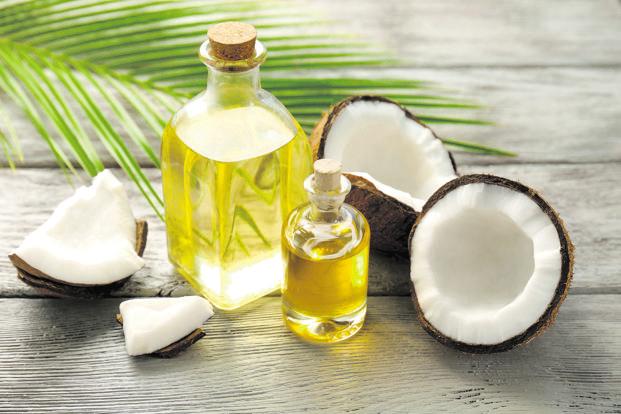
1. Copra oil
Coconut oil provides decanoic acid, saturated fatty acid, and dodecanoic acid , which can keep your metabolism healthy while increasing energy levels. Your body will feel nourished, because of its antibacterial, antioxidant, and antimicrobial properties. It increases your immunity, stabilizes your blood glucose, and increases endurance and brain function.
2. Fish
As fish provide DHA and EPA, essential omega-3 fatty acids, they balance out your hormones, while helping your thyroid function properly. Also, once you get adequate amounts of omega-6 and omega-3 fatty acids, it reduces inflammation and boosts neurological functionality.
3. Fruits
As hypothyroidism has an impression on your digestion, you ought to consume a diet with high fiber content. The advantage of eating fruits is that it’s a positive impact on your heart health and balances out blood glucose levels. Also, high amounts of fiber will cause you to feel full for extended , making it easier to reduce .
4. Probiotics
The bacteria present in your alimentary canal are extremely important for your well-being. Once you have a healthy gut, it’ll protect you against parasites, toxins, undigested food, and other sorts of invaders. When there’s an imbalance in your gut, your body won’t be ready to absorb all the minerals and vitamins. Also, a number of the bacteria produce toxins, which are quite harmful.
Keep the environment in your gut healthy in the least times by consuming probiotics. for instance , you ought to have sauerkraut, which the manufacturer has fermented properly over a period of your time . stand back from those soaked in vinegar, as they don’t provide an equivalent benefits. you’ll even have kombucha tea, kefir, kimchi, and kvass.
5. Seaweed
One of the simplest ways to urge iodine into your body and stop any deficiencies is to consume seaweed. Make it some extent to possess seaweed in your meals, a minimum of once hebdomadally. As you’ll get the dried variants within the market, you’ll add them to different dishes.
Read More: Hypothyroidism Program
Hypothyroidism Diet Plan
Maintaining a diet is important for anyone with hypothyroidism. We’ve put together a diet plan which will be followed by individuals affected by the disorder. However, it’s advised that one consult a licensed nutritionist before making changes to their diet.
Foods to Avoid with Hypothyroidism
The following foods must be avoided just in case of people with hypothyroidism:
1. Goitrogens
The goitrogens present in certain foods can potentially decrease hormone production within the body, when eaten raw. Foods that contain goitrogens are mainly green, cruciferous vegetables. a number of them are:
- · Brussel Sprouts
- · Broccoli
- · Cabbage
- · Cauliflower
- · Russian Kale
2. Gluten
Hypothyroidism could have links to an underlying autoimmune disease. Therefore, people with hypothyroidism could also be in danger of developing other autoimmune disorders, like disorder.
Celiac disease results in chronic inflammation and damage to the tiny intestine. this is often thanks largely to the ingestion of gluten. Gluten may be a protein found in wheat and other grains, like barley, oats, and rye.Celiac disease is treated with a diet. folks that have autoimmune-related hypothyroidism can attempt to cut gluten out of their diet, and check if there’s any improvement within the symptoms.
3. Soy
Researchers have suggested that soy may interfere with how the hormone is produced within the body. One published case study showed how a lady developed severe hypothyroidism upon consuming a health drink that contained high amounts of soy for about 6 months. However, her condition improved once she stopped drinking the health drink, and began taking medication for hormone replacement.
Some popular foods that include soy and must be avoided just in case of hypothyroidism are:
- · Soy milk
- · Tofu
- · Soy sauce
- · Miso
4. Processed Foods
Processed foods tend to be calorie-dense and offer little within the way of nutritional benefits. These foods promote weight gain, and must be avoided within the case of hypothyroidism. Processed foods like nutriment , cookies, cakes, and doughnuts are to be kept cornered .
Summary
Keeping hypothyroidism in restraint is often seen as a combined effort of medication and lifestyle. It’s necessary to take care of one’s diet, while ensuring that the specified medicines are being consumed. Keeping one’s thyroid levels within the traditional range is important to maintaining healthiness.
Read More: Disease Base Diet Plan
 NutriFit India