
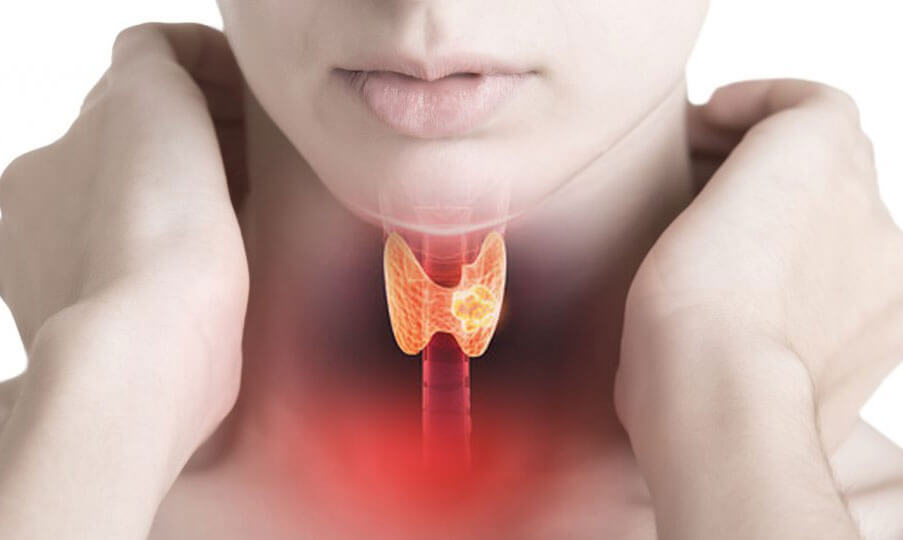
Hypothyroidism occurs when levels of the 2 thyroid hormones, triiodothyronine (T3) and thyroxin (T4), are too low. Although changing your diet alone isn’t enough to revive normal hormone levels, avoiding some foods and eating more of others can improve your body’s absorption of those hormones.
Foods to avoid
Many common foods and supplements contain compounds that interfere with thyroid function. Generally, it’s best to avoid the following:
Soy
Studies suggest that phytoestrogens in soybeans and soy-rich foods may inhibit the the activity of an enzyme that creates thyroid hormones. One study found that ladies who consumed soy supplements were 3 times more likely to develop hypothyroidism.
Iodine-rich foods
Some sorts of hypothyroidism are caused by a scarcity of sufficient iodine. In such cases, using iodized salt or iodine-enriched foods are often beneficially Trusted Source. But eating an excessive amount of iodine can have the other effect and suppress thyroid activity. ask your doctor before taking supplements.
Read More: Weight Loss Diet Plan
Iron and calcium supplements
Taking iron or calcium supplements also can change the effectiveness of the many thyroid medications.
High-fiber foodsAlthough a high-fiber diet is typically recommended, an excessive amount of fiber eaten right after taking thyroid medicines may interfere with their absorption. Wait two hours before you eat a high-fiber meal (one with quite about 15 grams of fiber).
Certain vegetables
Cruciferous vegetables that are rich in fiber, like broccoli, cabbage, spinach, kale, and Brussels sprouts may inhibit thyroid medication absorption. Reducing the amounts of such products within the morning right after taking your medication may help.
Caffeine, tobacco and alcohol also can influence the effectiveness of thyroid medicine. Ask your doctor for recommendations on the way to regulate or reduce your consumption.
Foods to eat
Nutrient-rich foods that improve your health can also benefit your thyroid. Certain compounds and supplements may help also. These include:
Antioxidant-rich fruits and vegetables
Blueberries, tomatoes, bell peppers, and other foods rich in antioxidants can improve overall health and benefit the thyroid. Eating foods high in B vitamins, like whole grains can also help.
Selenium
Tiny amounts of selenium are needed for the enzymes that make thyroid hormones to figure properly. Eating selenium-rich foods, like sunflower seeds or Brazil nuts are often beneficial.
Tyrosine
This aminoalkanoic acid is employed by the thyroid to supply T3 and T4. Good sources of tyrosine are meats, dairy, and legumes. Taking a supplement may help, but ask your doctor beforehand.
Diet plans and herbal supplements
Hypothyroidism doesn’t need to prevent or limit you from following a healthy lifestyle. People with hypothyroidism can prefer to be vegetarian, eat protein-rich foods, and avoid ingredients that will cause an allergy.
You may also plan to use alternative medicines for hypothyroidism. Some plant extracts, like ashwagandha (Withania somnifera), coleus (Coleus forskohlii), gotu kola (Centella asiatica), and guggul (Commiphora mukul), may ease symptoms of hypothyroidism. Evidence to support these claims is limited, however. Always speak together with your doctor before making any big changes to your eating habits or before taking any supplements. Having your doctor routinely check your thyroid levels also can provide insight into how your lifestyle changes are affecting your thyroid and your overall metabolism.
Read More: Hypothyroidism Program
 NutriFit India