
What Facts Should I Know about Weight Loss and Control?
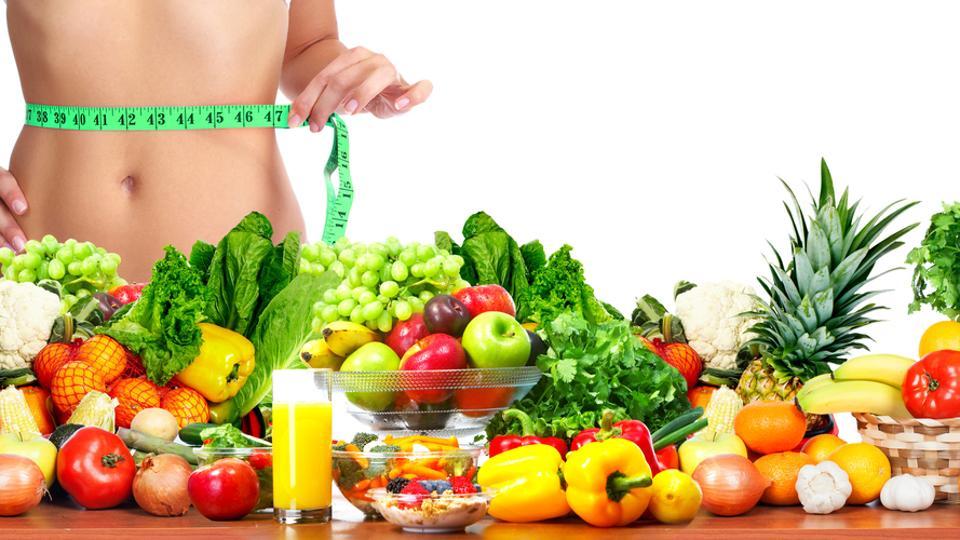
Obesity isn’t just the amassing of overabundance muscle versus fat. Obesity is an interminable (long haul) malady with genuine intricacies that is extremely hard to treat. In that capacity, it requires long haul treatment to get in shape and keep it off. There is no medium-term arrangement. Powerful, lasting weight Loss takes some time.
The basic factors in getting in shape and keeping it off are inspiration, legitimate eating, practice propensities, and an energy about better wellbeing. Getting in shape will assist you with feeling much improved. It likewise will improve your wellbeing.
Heftiness is the subsequent driving reason for preventable passings in the United States (tobacco is the first). Individuals who are stout have a lot higher dangers of numerous genuine medical issues than nonobese individuals. The most pulverizing of these medical issues incorporate the accompanying:
• Heart ailment
• Diabetes
• High circulatory strain
• Stroke
• Gallstones
• Lung ailment and rest apnea
• Colon malignant growth
• Endometrial malignant growth
• Depression
What amount of weight does one got to lose before you notice?
The good news is that you simply do not have to succeed in your ideal weight to lower your risk of developing obesity-related medical problems.
• Losing even 10% of your total weight can significantly lower your risk.
• If you weigh 250 pounds and lose 10% of your total weight, losing those 25 pounds can have a meaningful positive effect on your health.
• Losing 10% of your total weight may be a good goal to start out with. you’ll always continue and lose more weight once you’ve got reached your initial goal.
How to reduce weight?
For most people that are overweight or obese, the safest and best thanks to reduce are to eat less and exercise more. If you eat less and exercise more, you’ll reduce. It’s as simple as that. There are not any magic pills. Diets that sound too good to be true are just that.

Effective weight loss plans include several parts. You’ll find tips for achieving these goals within the next sections.
• Eating less: Unless you eat fewer calories than your body uses, you’ll not reduce.
• Physical activity: Any good diet plan will include physical activity. Physical activity burns calories and is one less opportunity to eat during the day. you ought to exercise for a minimum of half-hour , five times every week . Regular exercise also has many other health benefits.
• Change in habits and attitudes: most of the people have enough willpower to reduce for a couple of weeks. To lose enough weight to enhance your health and keep it off, you’ll got to change the way you think that about food and exercise. As you eat, attempt to understand a number of the hidden reasons you eat. you’ll learn to identify situations during which you overeat and leave the overeating. you’ll learn to enjoy eating less and being active.
• Support: many of us find that enlisting friends, family, and coworkers for support is useful in losing weight. Others prefer groups like Weight Watchers or begin Pounds Sensibly (TOPS) to stay them motivated. The important thing is to seek the support you need to achieve your goals.
Drastic changes in eating habits, like not eating in the least (fasting), are usually unsuccessful. Eating too few calories causes your metabolism to hamper , meaning the body burns fewer calories.
Don’t believe claims about losing weight while you sleep or watch TV, or plans that claim to cause weight loss without dieting or exercise. Such gimmicks just don’t work. they’ll even be unsafe or unhealthy.
Of interest to women who have gained weight during pregnancy is that breastfeeding helps you shed some extra pounds. it’s good for your baby too.
Eating Less
Pay attention to serving sizes (portion control). Read food labels to seek out out what percentage calories and fat calories are during a serving. Keep a food diary or log to seek out ways to eliminate extra calories.
Eat fewer calories. By decreasing calorie intake by 500 per day, you’ll lose 1 pound every week . a method to eat fewer calories is to limit your fat intake. No quite 30% of your daily calorie intake should be fat calories.
• Foods that contain large amounts of fat might surprise you. many sorts of food , like crackers, cookies, cakes, pancakes, waffles, pastries, and special breads, have high fat levels. So do many prepared, convenience, and take-out foods.
• Fat-free foods aren’t necessarily low-calorie foods. Fat-free versions of popular snacks often contain simple carbohydrates that are rapidly absorbed and converted to body fat if consumed in excess.
• Eat fat-free or low-fat dairy products like cheese or yogurt . Consider changing from milk to skimmed milk .
• Substitute egg whites or a product like Eggbeaters for whole eggs.
• If you eat meat, eat it carefully . Lean meats, skinless chicken and turkey, and seafood are good choices.
• Avoid high-fat foods like popcorn, potato chips, snack crackers and cakes, cookies, cakes, pizza, meat and other fatty meats, pancakes, waffles, sour or sweet cream, cheese and other whole-fat cheeses, butters and oils, spread , olives, oil-based sauces and dressing s, nuts, special breads and pastries, and fried foods.
• Replace high-fat foods with an equivalent quantity of low-fat, low-calorie food.
• Prepare foods with little or no oils, butter, or other fats.
Remember, however, that some fat is important for a healthy body and mind. Doing away with all fat isn’t desirable.
Low-fat foods like vegetables, fruits, whole grains, and legumes will assist you feel full. This helps you reduce or control your weight.
Avoid sugary foods like candies, jellies and jams, honey, and syrups. These foods offer little nutritional value and have a tendency to be converted to fat quickly.
Limit alcoholic beverages, which give empty calories — calories that haven’t any other nutritional value. Women should haven’t any quite one alcoholic drink and men no quite two alcoholic drinks each day . An alcoholic drink is 4 ounces of wine, 12 ounces (one standard bottle or can) of beer, or ½ ounce of distilled liquor.
Don’t stop eating altogether. Fasting may end in rapid weight loss, but most of this weight are going to be water and possibly even muscle. Your body slows its metabolism, making it very difficult to take care of any weight loss.
Healthy Meals for Weight Loss
Read More: Weight Loss Diet Plan
Smart dietary guidelines
• Eat five or more fresh fruits and vegetables every day .
• Eat six or more servings of grains (preferably whole grains) every day .
• Eat fat-free and low-fat dairy, legumes, seafood, and lean meats.
• Avoid foods with quite 2 grams of saturated fat per serving.
• Balance your caloric intake together with your energy expenditure.
• Limit food , which is high in simple carbohydrates and low in nutrition.
• Limit foods high in saturated fat and cholesterol. Eat but 6 grams of salt every day.
General food preparation and meal planning tips: attempt to eat servings of fruits and vegetables at every meal. Besides being delicious, they’re filled with nutrients and fiber. they’ll even help prevent certain cancers.
• Boil, steam, bake, roast, or broil foods instead of frying in fat.
• Use unsaturated fats, like vegetable oils, instead of saturated fats like butter, shortening, and lard.
• Use vegetable oil spray instead of cooking oils to organize foods.
• Eat red meat chicken or turkey, lean meat, fish, or seafood. Trim the skin from poultry.
• Use low-fat or nonfat dairy products.
• To season foods, choose lemon or juice , vinegar, low-sodium soy , plain spaghetti sauce , salsa and other sauces low in fat, or mustard. Use garlic, onions, ginger, and herbs and spices to flavor foods.
• Avoid high-fat and high-calorie condiments like mayonnaise, oil, ketchup, salad dressing, or prepared sauces.
• Drink seltzer, water, caffeine-free soda, tea, or coffee with meals.
Breakfast suggestions
• 1 cup of juice or fruit
• Egg whites or an egg substitute scrambled or prepared as an omelet in vegetable oil spray
• Oatmeal or any sugar-free cereal with 6-8 ounces of skimmed milk
• Low-fat cheese , low-fat pot cheese , or nonfat yogurt
• Caffeine-free tea or coffee
Lunch suggestions
• ½ cup of cooked vegetables, like peas, string beans, asparagus, broccoli, summer squash, escarole, cauliflower, brussels sprouts, or carrots
• ½ cup of a greens , like spinach, kale, or chard
• Green salad, plain or seasoned with fat-free dressing, vinegar, lemon, or any combination of those (no oil) — include greens and raw vegetables like tomato, bell peppers, cucumber, sprouts, radish, onion, cabbage, mushrooms, and celery
• ½ cup whole-grain pasta in meat-free spaghetti sauce
• Sandwiches made from whole-grain or sour bread
2 ounces of water-packed tuna or salmon
Two slices of a low-fat cold cut or deli meat
1-2 ounces of low-fat cheese
Supper suggestions
• ½ cup of cooked vegetables, like peas, string beans, asparagus, broccoli, summer squash, cauliflower, brussels sprouts, or carrots
• ½ cup of a greens , like spinach, kale, or chard
• Green salad, plain or seasoned with fat-free dressing, vinegar, lemon, or any combination of those (no oil) — include greens and raw vegetables like tomato, bell peppers, cucumber, sprouts, radish, onion, cabbage, mushrooms, and celery
• ½ pigeon breast , baked, or four slices of turkey, skin removed
• White fish, like snapper or fillet of sole, baked or steamed in plain spaghetti sauce , lemon or both
• Two slices of whole-grain or sour bread or ½ cup of an entire grain like rice
• 1/3 cup (or less) of fat-free yogurt or fat-free soured cream
For dessert
• One small slice of cake or one cookie, low-fat or fat-free and cholesterol-free
• ½ cup of fat-free frozen dessert or fat-free yogurt
• Fresh fruit
If you select to drink alcohol, do so carefully (no quite two drinks per day for men or one drink per day for women).
To satisfy hunger between meals, eat unlimited quantities of celery, lettuce, mushrooms, green or red peppers, asparagus, cauliflower, cucumber, and broccoli.
Eating away from home
When eating during a restaurant, plan ahead. believe ordering low-fat, low-calorie foods. Remember that the majority restaurants serve portions much larger than an accepted serving size.
• Ask for a doggie bag or take-out container once you order. As soon because the food comes, put aside half (or more) for future meals. Then eat what’s left on your plate. this may help keep you from overeating.
• Skip the breadbasket and therefore the appetizer.
• Ask for foods to be prepared without frying or sauces.
• Avoid high-fat side orders like french-fried potatoes , coleslaw, and bread .
• Order salad dressings on the side and dip your fork within the dressing, then spear the salad.
• Drink many plain water.
Increasing Your Activity Level
Moderate physical activity, like walking, helps you reduce and keep your burden . a minimum of half-hour of exercise each day is suggested .
• Try to exercise a minimum of five days every week .
• Not exercising will sabotage any weight loss plan. Add movement, even briefly 10-minute bursts throughout your day to urge in half-hour each day .
• Simple measures like parking at the far end of the parking zone and taking the steps rather than the elevator eventually add up to assist you reduce .
• Exercise strengthens your muscles and improves the function of your heart and lungs.
• If you’re obese, particularly if you’re inactive or have medical problems, ask a health care professional before starting an exercise program.
Walking
When walking for weight loss, distance is vital , not speed. Wear a pedometer to live your steps then find ways to feature steps during your daily activity.
• To exercise, walk at a pace and distance that puts no strain on the body. Set reasonable goals. If you walk until you become bored , you’ll be exhausted once you stop.
• Walk with smooth, rhythmic motions at a simple pace.
• Each time you walk, walk slowly for the primary five minutes to warm up. After five minutes, walk for 10 minutes at a faster rate if you’ll . don’t overdo it. you’ll stop to rest at any time.
• When you’ve got walked for 10 minutes no end , your first goal has been reached. The new goal should be to steer for a touch longer time (say, 12 minutes). still set new goals without overdoing it. it’s important to not walk too fast or too long.
• Chart your progress.
Other activities
• Ride your bicycle to figure or to the shop .
• Buy an exercise and pedal while watching TV or talking on the phone. Keep track of your mileage.
• Join an exercise class appropriate for your level of activity and your medical condition. Water aerobics may be a popular choice. Start slow.
• Even weekend chores use calories if you are doing them the physical way.
• Skip the riding mower and use a push mower.
• Wash your car manually.
• Use a rake, hoe, and shovel for gardening chores.
Exercise tips
• To let your skin breathe during workouts, wear loose clothing. Wear comfortable jogging shoes or sneakers.
• Drink many water before and after exercising. this may replace water lost by perspiration and stop dehydration. If you would like to hold a bottle , you’ll drink while exercising.
• Check your pulse frequently (every five minutes) while exercising.
• Normal resting pulse may vary between 60 and 90 beats per minute.
• Your pulse should increase somewhat while exercising. the heart beat rate may increase up to 120. it’s normal to become somewhat in need of breath. If you’re so in need of breath that you simply cannot speak comfortably, stop for a rest then continue at a slower rate.
• While exercising, make it some extent to not hold your breath. Holding your breath deprives the body of oxygen. Inhale with one movement, and exhale with another.
• Do not continue exercising if you are feeling pain. Stop and take an opportunity . If you still feel pain, ask a health care professional.
• Keep a record of your activity. you’ll see progress over time.
Changing Your Habits and Staying Motivated to Fight Obesity
Changing your habits
• Eat slowly and chew your food well. This helps you are feeling satisfied with less food.
• The amount of food you eat is more important that the sort of food. Think portion control. Familiarize yourself with official serving sizes, and measure and weigh foods accordingly.
• Keep a record of once you eat, what you eat, and the way much. this may assist you spot situations during which you tend to overeat.
• Avoid or limit comfort foods which are easily eaten foods (such as macaroni and cheese, ice cream, chocolate) that are wont to modify your mood.
• Don’t concede to food cravings. These are typically foods with a high sugar content that cause your brain to release hormones that temporarily cause you to feel happy. These foods have addictive properties, so once you begin eating them, it’s difficult to prevent .
• Do not skip meals, especially breakfast. you’ll just be hungrier and more likely to overeat at subsequent meal.
• Do not read or watch television while you eat.
• Reduce your appetite by drinking one glass of water half-hour before each meal. If your stomach isn’t empty, food doesn’t look as appetizing.
• Drinking tea (especially tea , white tea, and pu-erh tea) has also been suggested as a weight loss aid. Tea may contain caffeine, which acts as a stimulant. Tea also has no calories (assuming you do not add sugar or milk). very similar to beverage , drinking tea can cause you to feel full, thereby suppressing your appetite and reducing food cravings.
• Stock your refrigerator with healthy, low-calorie foods. Snack on baby carrots rather than microwave popcorn. Don’t keep high-fat snacks round the house.
• Put a symbol on the refrigerator which will assist you consider about snacking.
• Reward yourself for specific achievements, like exercising longer than you had planned or eating less of a tempting food. Of course, the reward shouldn’t be food.
Staying motivated
• People often set unrealistic goals for themselves, only to feel guilt once they cannot stay a diet or exercise program. Make changes in small steps. search for small gains (that is, weight losses). Losing 1 pound every week may be a reasonable goal.
• Losing even 10% of your excess weight can significantly lower your risk of obesity-related health problems. this is often an honest goal to start out with.
• Do not weigh yourself too often. Weigh yourself just one occasion every week within the morning. a rise in weight of 1 pound or 2 might not be a real weight gain. it’s going to be the results of water retention.
• Group support programs like Weight Watchers or TOPS (Take Off Pounds Sensibly) offer you the support and encouragement of others with an equivalent problem. They also promote healthy living practices.
• For those that do not have the time to form it to support groups, there are now many free or low cost apps available for the iPhone, iPad, or Android which help determine and track calories, nutrition, and calorie expenditure. Try LoseIt!, Weight Watchers Mobile, Restaurant Nutrition, 40:30:30, Diet Point, or Noom Weight Loss Coach.
• It is perfectly normal to travel off your plan once in a while . do not be too hard on yourself, and do not quit! revisit on target subsequent day.
Read More: Weight Loss Program
 NutriFit India