
Do you think you would like to lose weight? Have you ever been brooding about trying a weight-loss program?
You are not alone. Quite 70 percent adults are overweight or have obesity1 —and many of them attempt to lose the additional pounds through different sorts of Weight Loss Program. Variety of those programs is advertised in magazines and newspapers, also as on the radio, TV, and internet. But are they safe? And can they work for you?
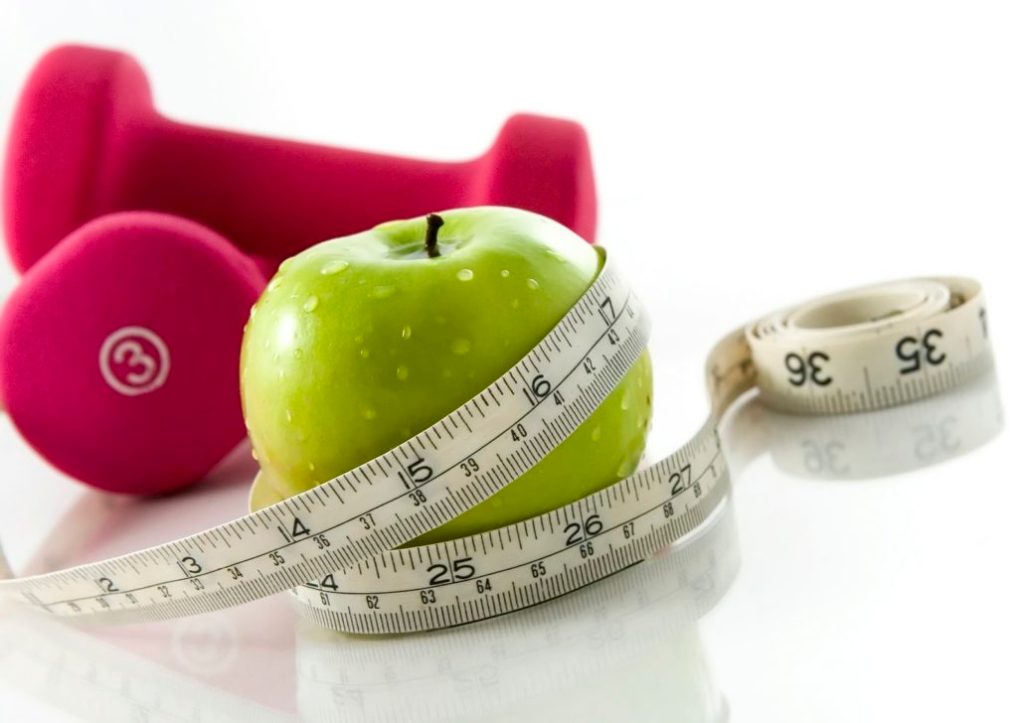
Here you’ll find recommendations on the way to choose a program which will assist you reduce safely and keep it off over time. You’ll also find out how to speak with a health care professional about your weight.
Your health care professional could also be ready to assist you make lifestyle changes to succeed in and maintain a healthy weight. However, if you’re having trouble making these lifestyle changes—or if these changes aren’t enough to assist you reach and occupy a healthy weight—you might want to think about a weight-loss program or other sorts of treatment.
Read More: Weight Loss
Where do I start?
Talking with a health care professional about your weight is a crucial initiative. Sometimes, health care professionals might not address issues like healthy eating, physical activity, and weight during general office visits. You’ll get to raise these issues yourself. If you are feeling uneasy talking about your weight, bring your questions with you and practice talking about your concerns before your office visit. Aim to figure together with your health care professional to enhance your health.
Prepare for your visit
Before your visit with a health care professional, believe the subsequent questions:
• How am I able to change my eating habits so I are often healthier and reach a healthy weight?
• How much and what sort of physical activity do i feel i want to be healthier and reach a healthy weight?
• Could I enjoy seeing a nutrition professional or weight-loss specialist, or joining a weight-loss program?
You can be better prepared for a visit with a health care professional if you
• write down all of your questions before time
• record all of the medicines and dietary supplements NIH external link you’re taking, or bring them with you
• write down the kinds of diets or programs you’ve got tried within the past to reduce
• bring a pen and paper, smartphone, or other mobile device to read your questions and take notes
During your visit, a health care professional may
• review any medical problems you’ve got and medicines you’re taking to ascertain whether or not they could also be affecting your weight or your ability to reduce
• ask you about your eating, drinking, and physical activity habits
• determine your body mass index (BMI) to ascertain whether you’re overweight or have obesity
If a health care professional says you ought to reduce , you’ll want to invite a referral to a weight-loss program, dietitian, or weight-loss specialist. If you opt to settle on a weight-loss program on your own, consider talking with the health care professional about the program before you check in , especially if you’ve got any health problems.
Ask questions if you don’t understand something your health care professional has said, or if you would like more information.
What should I search for during a weight-loss program?
To reach and occupy a healthy weight over the future, you want to specialize in your overall health and lifestyle habits, not just on what you eat. Successful weight-loss programs should promote healthy behaviors that assist you reduce safely, that you simply can persist with a day, which assist you keep the load off.
Safe and successful weight-loss programs should include
• behavioral treatment, also called lifestyle counseling, which will teach you ways to develop and persist with healthier eating and physical activity habits—for example, keeping food and activity records or journals
• Information about getting enough sleep, managing stress, and therefore the benefits and disadvantages of weight-loss medicines
• Ongoing feedback, monitoring, and support throughout the program, either face to face, by phone, online, or through a mixture of those approaches
• Slow and steady weight-loss goals—usually 1 to 2 pounds per week (though weight loss could also be faster at the beginning of a program)
• a plan for keeping the load off, including goal setting, self-checks like keeping a food journal, and counseling support
The most successful weight-loss programs provide 14 sessions or more of behavioral treatment over a minimum of 6 months—and are led by trained staff.2
Some commercial weight-loss programs have all of those components for a secure and successful weight-loss program. Check for these features in any program you’re brooding about trying.
Read More: Weight Loss Diet Plan
Although these diets may help some people lose tons of weight quickly—for example, 15 pounds during a month—they might not help people keep the load off future . These diets also may have related health risks, the foremost common being gallstones.3
For people that are overweight or have obesity, experts recommend a beginning weight-loss goal of 5 to 10 percent of your starting weight within 6 months.2 If you weigh 200 pounds, that might amount to a loss of 10 pounds, which is 5 percent of starting weight, to twenty pounds, which is 10 percent of starting weight, in 6 months.
Changing your lifestyle isn’t easy, but adopting healthy habits that you simply don’t hand over after a couple of weeks or months may assist you maintain your weight loss. Read the way to change your habits for better health.
What if the program is obtainable online?
Many weight-loss programs are now being offered partly or completely online and thru apps for mobile devices. Researchers are studying how well these programs work on their own or along side in-person programs, especially future. However, experts suggest that these weight-loss programs should provide the following:
• Organized, weekly lessons, offered online or by podcast, and tailored to your personal goals
• Support from a professional staff person to satisfy your goals
• a decide to track your progress on changing your lifestyle habits, like healthy eating and physical activity, using tools like cellphones, activity counters, and online journals
• Regular feedback on your goals, progress, and results provided by a counselor through email, phone, or text messages
• The option of social support from a gaggle through bulletin boards, chat rooms, or online meetings
Whether a program is online or face to face, you ought to get the maximum amount background as you’ll before you opt to hitch.
What questions should I ask a few weight-loss programs?
Weight-loss program staff should be ready to answer questions on the program’s features, safety, costs, and results. Determine if the program you’re curious about is predicated on current research about what works for reaching and maintaining a healthy weight.
A first and really important question to ask of economic weight-loss programs is, “Has your company published any reports in peer-reviewed, scientific journals about the security and effectiveness of your program?”
If the response is “yes,” invite a replica of the report or how you’ll catch on. If the solution is “no,” the program is harder to guage and should not be as favorable a choice as programs that have published such information. If you’ve got questions on the findings, discuss the report together with your health care professional.
Read More: Quick Weight Loss Diet Plan
Here are other questions you’ll want to ask:
What does the program include?
Eating
• Am I expected to follow a selected meal plan?
• Am I encouraged to write down down what I eat each day?
• Do I even have to shop for special meals or supplements? If so, what are the daily or weekly costs?
• Does the program offer healthy meal-plan suggestions that I could stick with?
• If the program requires special foods, am i able to make changes supported my likes, dislikes, and any food allergies i’ll have?
Physical Activity
• Does the program include a physical activity plan?
• Does the program offer ways to assist me be more physically active and stay motivated?
Counseling
• Does the program offer one-on-one or group counseling to assist me develop and persist with my healthier habits?
• Does the program include a trained coach or counselor to assist me overcome roadblocks and stay track?
Weight Maintenance
• Does the program include an idea to assist me bar the load I’ve lost?
• What does that program include? Will there be ongoing counseling support?
Other Features
• How long is that the actual weight-loss program?
• How long is that the weight-loss maintenance program?
• Does the program require that I take any quite medicine?
• Can I speak with a doctor or certified health care provider if i want to?
• Can i modify the program to satisfy my lifestyle, work schedule, and cultural needs?
• Will the program help me deal with such issues as stress or social eating, getting enough sleep, changes in work schedules, lack of motivation, and injury or illness?
• Is the program in person? Is there a web part to the program?
Read More: Weight Loss Diet Plan
What quite education or training do staff members have?
These questions are especially important if you’re considering a medically supervised program that encourages quick weight loss (3 or more pounds every week for several weeks):
• Does a doctor or other certified health care provider run or oversee the program?
• Does the program include specialists in nutrition, physical activity, behavior change, and weight loss?
• What sort of certifications, education, experience, and training do staff members have? How long, on the average, has most of the staff been working with the program?
Does the program or product carry any risks?
• Could the program cause health problems or be harmful to me in any way?
• Is there ongoing input and follow-up to make sure my safety while I’m within the program?
• Will the program’s doctor or staff work with my health care professional if needed—for example, to deal with how the program may affect an ongoing medical issue?
How much does the program cost?
• What is that the total cost of the program, from starting to end?
• Are there costs that aren’t included therein total, like membership fees or fees for
- Weekly visits
- Food, meal replacements, supplements, or other products
- Medical tests
- Counseling sessions
- Follow-up to take care of the load I’ve lost
What results do people within the program typically achieve?
• How much weight does the typical person lose?
• How long does the typical person keep the load off?
• Do you’ve got written information on these and other program results?
• Are the results of the program published during a peer-reviewed scientific journal?
What if I want more help losing weight?
If a weight-loss program isn’t enough to assist you reach a healthy weight, ask your health care professional about other sorts of weight-loss treatments. Prescription medicines to treat overweight and obesity, combined with healthy lifestyle changes, may help some people reach a healthy weight. For a few people that have extreme obesity, bariatric surgery could also be an option.
For More Visits: Weight Loss Program
 NutriFit India