
By making these 10 lifestyle changes, you’ll lower your vital sign and reduce your risk of heart condition .If you have been diagnosed with a high vital sign , you would possibly be worried about taking medication to bring your numbers down.Lifestyle plays a crucial role in treating your high vital sign . If you successfully control your vital sign with a healthy lifestyle, you would possibly avoid, delay or reduce the necessity for medication.Read More: Hypertension Program
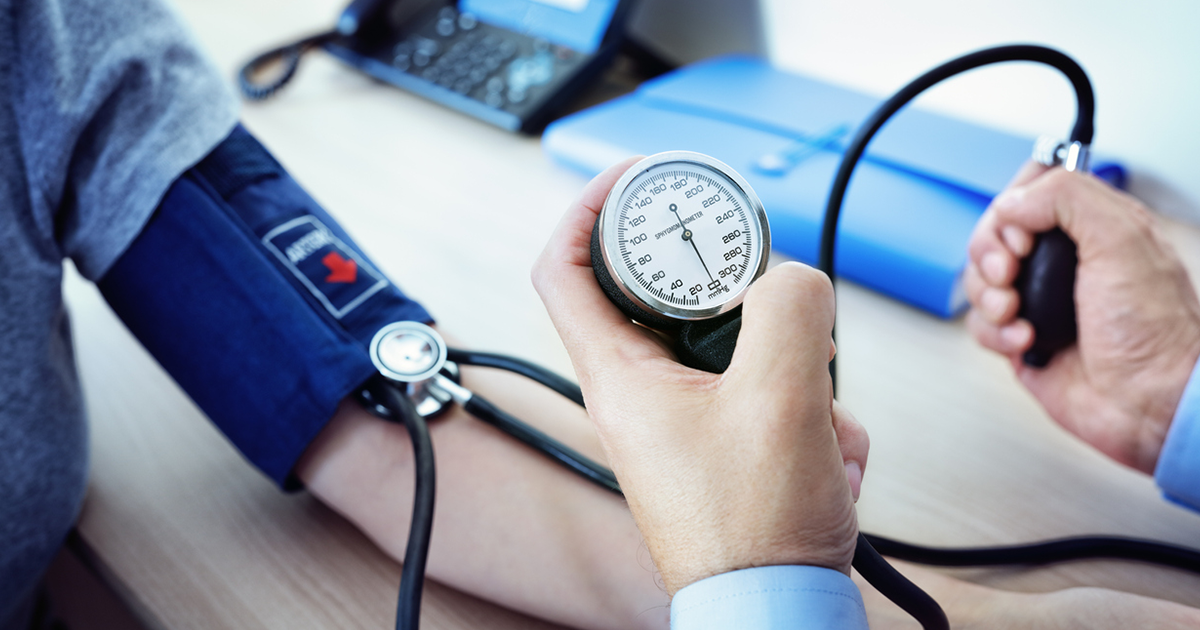
Here are 10 lifestyle changes you’ll make to lower your vital sign and keep it down.
1. Lose extra pounds and watch your waistline
Blood pressure often increases as weight increases. Being overweight can also cause disrupted breathing while you sleep (sleep apnea), which further raises your vital sign .Weight loss is one among the foremost effective lifestyle changes for controlling vital signs . Losing even alittle amount of weight if you’re overweight or obese can help reduce your vital sign . generally , you’ll reduce your vital sign by about 1 millimeter of mercury (mm Hg) with each kilogram (about 2.2 pounds) of weight you lose.Besides shedding pounds, you generally should also keep an eye fixed on your waistline. Carrying an excessive amount of weight around your waist can put you at greater risk of high vital signs .
Read More: Weight Loss Diet Plan
In general:
Men are in danger if their waist measurement is bigger than 40 inches (102 centimeters).Women are in danger if their waist measurement is bigger than 35 inches (89 centimeters).These numbers vary among ethnic groups. Ask your doctor a few healthy waist measurements for you.
2. Exercise regularly
Regular physical activity — like 150 minutes every week , or about half-hour most days of the week — can lower your vital sign by about 5 to eight torr if you’ve got a high vital sign . it is vital to be consistent because if you stop exercising, your vital sign can rise again.If you’ve got elevated vital signs , exercise can assist you avoid developing hypertension. If you have already got hypertension, regular physical activity can bring your vital sign right down to safer levels.Some samples of aerobics you’ll attempt to lower vital signs include walking, jogging, cycling, swimming or dancing. you’ll also try high-intensity interval training, which involves alternating short bursts of intense activity with subsequent recovery periods of lighter activity. Strength training can also help reduce vital signs . Aim to incorporate strength training exercises a minimum of two days every week . ask your doctor about developing an exercise program.
3. Eat a healthy diet
Eating a diet that’s rich in whole grains, fruits, vegetables and low-fat dairy products and skimps on saturated fat and cholesterol can lower your vital sign by up to 11 torr if you’ve got a high vital sign . This eating plan is understood because the Dietary Approaches to prevent Hypertension (DASH) diet.It isn’t easy to vary your eating habits, but with the following pointers , you’ll adopt a healthy diet:Keep a food diary. Writing down what you eat, even for just every week , can shed surprising light on your true eating habits. Monitor what you eat, how much, when and why.Consider boosting potassium. Potassium can lessen the consequences of sodium on vital signs . The simplest source of potassium is food, like fruits and vegetables, instead of supplements. ask your doctor about the potassium level that’s best for you.Be a sensible shopper. Read food labels once you shop and stick with your healthy-eating plan when you’re dining out, too.
4. Reduce sodium in your diet
Even a little reduction within the sodium in your diet can improve your heart health and reduce vital signs by about 5 to six torr if you’ve got a high vital sign .The effect of sodium intake on vital signs varies among groups of individuals . generally , limit sodium to 2,300 milligrams (mg) each day or less. However, a lower sodium intake — 1,500 mg each day or less — is right for many adults.
To decrease sodium in your diet, consider these tips:
Read food labels. If possible, choose low-sodium alternatives of the foods and beverages you normally buy.Eat fewer processed foods. Only a little amount of sodium occurs naturally in foods. Most sodium is added during processing.Don’t add salt. Just 1 level teaspoon of salt has 2,300 mg of sodium. Use herbs or spices to feature flavor to your food.Ease into it. If you do not feel you’ll drastically reduce the sodium in your diet suddenly, crop gradually. Your palate will adjust over time.
5. Limit the quantity of alcohol you drink
Alcohol is often both good and bad for your health. By drinking alcohol only carefully — generally one drink each day for ladies , or two each day for men — you’ll potentially lower your vital sign by about 4 torr . One drink equals 12 ounces of beer, five ounces of wine or 1.5 ounces of 80-proof liquor.But that protective effect is lost if you drink an excessive amount of alcohol.Drinking quite moderate amounts of alcohol can actually raise vital signs by several points. It also can reduce the effectiveness of vital sign medications.
6. Quit smoking
Each cigarette you smoke increases your vital sign for several minutes after you finish. Stopping smoking helps your vital sign return to normal. Quitting smoking can reduce your risk of heart condition and improve your overall health. People that quit smoking may live longer than people that never quit smoking.
7. crop on caffeine
The role caffeine plays in vital signs remains debated. Caffeine can raise vital signs up to 10 torr in people that rarely consume it. But people that drink coffee regularly may experience little or no effect on their vital sign .Although the long-term effects of caffeine on vital signs aren’t clear, it’s possible vital signs may slightly increase.To see if caffeine raises your vital sign , check your pressure within half-hour of drinking a caffeinated beverage. If your vital sign increases by 5 to 10 torr , you’ll be sensitive to the vital sign raising effects of caffeine. ask your doctor about the consequences of caffeine on your vital sign .
8. Reduce your stress
Chronic stress may contribute to high vital signs . More research is required to work out the consequences of chronic stress on vital signs . Occasional stress can also contribute to high vital signs if you react to worry by eating unhealthy food, drinking alcohol or smoking.Take a while to believe what causes you to feel stressed, like work, family, finances or illness. Once you recognize what’s causing your stress, consider how you’ll eliminate or reduce stress.If you cannot eliminate all of your stressors, you’ll deal with them in a healthier way. Try to:Change your expectations. for instance , plan your day and specialise in your priorities. Avoid trying to try to do an excessive amount of and learn to mention no. Understand there are some belongings you can’t change or control, but you’ll specialise in how you react to them.Focus on issues you’ll control and make plans to unravel them.
If you’re having a problem at work, try to lecture your manager. If you’re having a conflict together with your kids or spouse, take steps to resolve it.Avoid stress triggers. attempt to avoid triggers once you can. for instance , if rush-hour traffic on the thanks to work causes stress, try leaving earlier within the morning, or take public transportation. Avoid people that cause you stress if possible.Make time to relax and to try to do activities you enjoy. Take time every day to take a seat quietly and breathe deeply. Make time for enjoyable activities or hobbies in your schedule, like taking a walk, cooking or volunteering.Practice gratitude. Expressing gratitude to others can help reduce your stress.
Read More: Tips For Hypertensive
9. Monitor your vital sign reception and see your doctor regularly
Home monitoring can assist you keep tabs on your vital signs , make sure your lifestyle changes are working, and provide you with a warning and your doctor to potential health complications. vital sign monitors are available widely and without a prescription. ask your doctor about home monitoring before you start .Regular visits together with your doctor also are key to controlling your vital sign . If your vital sign is well-controlled, ask your doctor about how often you would like to see it. Your doctor may suggest checking it daily or less often. If you are making any changes in your medications or other treatments, your doctor may recommend you check your vital sign starting fortnight after treatment changes and every week before your next appointment.
10. Get support
Supportive family and friends can help improve your health. they’ll encourage you to require care of yourself, drive you to the doctor’s office or start an exercise program with you to stay your vital sign low.If you discover you would like support beyond your family and friends, consider joining a support group. This might put you in-tuned with people that can offer you an emotional or morale boost and who offer practical tips to deal with your condition.
Read More: NutriFit India
 NutriFit India