
Obesity isn’t simply the buildup of excess body fat. Obesity may be a chronic (long-term) disease with serious complications that’s very difficult to treat. As such, it requires long-term treatment to reduce and keep it off. There’s no overnight solution. Effective, permanent weight loss takes a while.
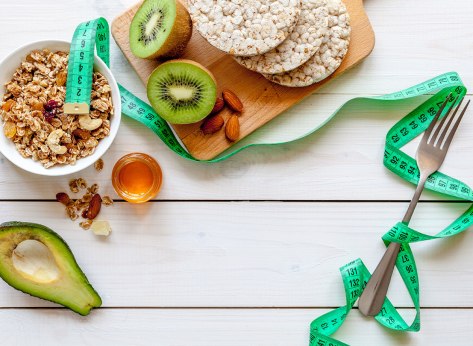
The essential factors in losing weight and keeping it off are motivation, proper eating, exercise habits, and an appreciation of higher health. Losing weight will assist you to feel better. It also will improve your health.
Obesity is the second leading explanation for preventable deaths within us (tobacco is that the first). people that are obese have much higher risks of the many serious health problems than no obese people. the foremost devastating of those health problems include the following:
• Heart disease
• Diabetes
• High vital sign
• Stroke
• Gallstones
• Lung disease and apnea
• Colon cancer
• Endometrial cancer
• Depression
How much weight does one need to lose before you notice?
The good news is that you simply do not have to succeed in your ideal weight to lower your risk of developing obesity-related medical problems.
• Losing even 10% of your total weight can significantly lower your risk.
• If you weigh 250 pounds and lose 10% of your total weight, losing those 25 pounds can have a meaningful positive effect on your health.
• Losing 10% of your total weight may be a good goal to start out with. you’ll always continue and lose more weight once you’ve got reached your initial goal.Read More: Weight Loss Program

Nutrition 101
Weight gain is caused by consuming more calories than the body uses.The average person uses as many as 2,500 calories daily, or 17,500 calories per week.If you eat the quantity your body needs, you’ll maintain your weight. It takes 3,500 extra calories to realize 1 pound.
To reduce, you want to consume fewer calories than your body uses. You want to eat 3,500 calories but you would like, say 500 calories per day for one week, to lose 1 pound.
Calories count. It is vital to know where calories come from and the way to form the neatest food selections. Here are some basics:
Foods are composed of the subsequent three substances, in varying amounts:• Carbohydrates (four Calories per gram): Examples include grains, cereal, pasta, sugar, fruits, and vegetables.
• Protein (four Calories per gram): Examples include legumes (beans, dried peas, lentils), seafood, low-fat dairy, lean meats, and soy products like tofu.
• Fats (nine Calories per gram): Examples include whole-fat dairy products, butter, oils, and nuts.
• Alcohol maybe a separate fourth group (seven calories per gram).
A calorie is the amount of energy (heat) needed to boost the temperature of 1 gram of water by 1 degree Centigrade. A kilocalorie (or Calorie with a capital C) is that the amount of energy needed to boost the temperature of 1 kilogram of water by 1 degree Centigrade.
Related Post:
Diabetes prevention: Tips for taking control
Losing weight after pregnancy: Know the secrets
Make a weight loss diet plan that really works
Quick Weight Loss Diet Plan by Dietitian
Tips for Hypertensive from NutriFit
The energy contained in food is measured in kilocalories but is usually mentioned on food packages et al. as calories.
Most people underestimate the number of calories they consume by about 30%.• Calculate the number of calories you ought to consume every day to stay your weight an equivalent.
• If you’re moderately active, multiply your weight in pounds by 15.
• If you’re sedentary, multiply by 13 instead.
• To reduce, you would like to eat but this number.
• Excess calories from any source (even fat-free foods) will become body fat.
Any carbohydrate not immediately used for energy is going to be stored within the liver as glycogen for short-term use. The body has only a limited number of liver cells to store glycogen. Whatever is leftover is going to be converted to fat.
• Excess protein and fat within the diet also are stored as fat.
• Fat cells are not any longer thought to be responsible just for energy storage and release.
• They synthesize the hormone leptin, which travels to the hypothalamus within the brain and regulates appetite, weight, and therefore the storage of fat.
• Leptin was first discovered in 1994. The precise way it works isn’t yet fully understood.
• Disorders of leptin account for less than a couple of cases of obesity, usually morbid (extreme) obesity.
How to reduce
For most people that are overweight or obese, the safest and best thanks to reducing are to eat less and exercise more. If you eat less and exercise more, you’ll reduce it. It’s as simple as that. There are not any magic pills. Diets that sound too good to be true are just that.
• Effective weight loss plans include several parts. You’ll find tips for achieving these goals within the next sections.
• Eating less: Unless you eat fewer calories than your body uses, you’ll not reduce.
• Physical activity: Any good diet plan will include physical activity. Physical activity burns calories and is one less opportunity to eat during the day. you ought to exercise for a minimum of half-hour, five times every week. Regular exercise also has many other health benefits.
• Change in habits and attitudes: most of the people have enough willpower to reduce for a couple of weeks. To lose enough weight to enhance your health and keep it off, you’ll get to change the way you think that about food and exercise. As you eat, attempt to understand a number of the hidden reasons you eat. You’ll learn to identify situations during which you overeat and leave the overeating. You’ll learn to enjoy eating less and being active.
• Support: many of us find that enlisting friends, family, and coworkers for support is useful in losing weight. Others prefer groups like Weight Watchers or begin Pounds Sensibly (TOPS) to stay them motivated. The important thing is to hunt the support you would like to realize your goals.
• Drastic changes in eating habits, like not eating in the least (fasting), are usually unsuccessful. Eating too few calories causes your metabolism to hamper, meaning the body burns fewer calories.
• Don’t believe claims about losing weight while you sleep or watch TV, or plans that claim to cause weight loss without dieting or exercise. Such gimmicks just don’t work. They’ll even be unsafe or unhealthy.
• Of interest to women who have gained weight during pregnancy is that breastfeeding helps you shed some extra pounds. It’s good for your baby too.Eating Less
Pay attention to serving sizes (portion control). Read food labels to seek out what percentage calories and fat calories are during a serving. Keep a food diary or log to seek out ways to eliminate extra calories.
Eat fewer calories. By decreasing calorie intake by 500 per day, you’ll lose 1 pound every week. A method to eat fewer calories is to limit your fat intake. Not quite 30% of your daily calorie intake should be fat calories.
Foods that contain large amounts of fat might surprise you. many sorts of food, like crackers, cookies, cakes, pancakes, waffles, pastries, and special bread, have high-fat levels. So do many prepared, convenience, and take-out foods.
• Fat-free foods aren’t necessarily low-calorie foods. Fat-free versions of popular snacks often contain simple carbohydrates that are rapidly absorbed and converted to body fat if consumed in excess.
• Eat fat-free or low-fat dairy products like cheese or yogurt. Consider changing from milk to skimmed milk.
• Substitute egg whites or a product like Eggbeaters for whole eggs.
• If you eat meat, eat it carefully. Lean meats, skinless chicken and turkey, and seafood are good choices.
• Avoid high-fat foods like popcorn, potato chips, snack crackers and cakes, cookies, cakes, pizza, meat and other fatty meats, pancakes, waffles, sour or sweet cream, cheese, and other whole-fat cheeses, butters and oils, spread, olives, oil-based sauces and dressing s, nuts, special breads and pastries, and fried foods.
• Replace high-fat foods with an equivalent quantity of low-fat, low-calorie food.
• Prepare foods with little or no oils, butter, or other fats.
• Remember, however, that some fat is important for a healthy body and mind. Doing away with all fat isn’t desirable.
• Low-fat foods like vegetables, fruits, whole grains, and legumes will assist you to feel full. This helps you reduce or control your weight.
• Avoid sugary foods like candies, jellies and jams, honey, and syrups. These foods offer little nutritional value and have a tendency to be converted to fat quickly.
• Limit alcoholic beverages, which give empty calories — calories that haven’t any other nutritional value. Women should have any quite one alcoholic drink and men no quite two alcoholic drinks each day. An alcoholic drink is 4 ounces of wine, 12 ounces (one standard bottle or can) of beer, or ½ ounce of distilled liquor.Don’t stop eating altogether. Fasting may end in rapid weight loss, but most of this weight is going to be water and possibly even muscle. Your body slows its metabolism, making it very difficult to take care of any weight loss.
• Healthy Meals for Weight Loss
• Smart dietary guidelines
The American Heart Association recommends the subsequent dietary guidelines, which are suitable for many adults.
• Eat five or more fresh fruits and vegetables every day.
• Eat six or more servings of grains (preferably whole grains) every day.
• Eat fat-free and low-fat dairy, legumes, seafood, and lean meats.
• Avoid foods with quite 2 grams of saturated fat per serving.
• Balance your caloric intake together with your energy expenditure.
• Limit food, which is high in simple carbohydrates and low in nutrition.
• Limit foods high in saturated fat and cholesterol. Eat but 6 grams of salt every day.General food preparation and meal planning tips: attempt to eat servings of fruits and vegetables at every meal. Besides being delicious, they’re filled with nutrients and fiber. They’ll even help prevent certain cancers.
• Boil, steam, bake, roast, or broil foods instead of frying in fat.
• Use unsaturated fats, like vegetable oils, instead of saturated fats like butter, shortening, and lard.
• Use vegetable oil spray instead of cooking oils to organize foods.
• Eat red meat chicken or turkey, lean meat, fish, or seafood. Trim the skin from poultry.
• Use low-fat or nonfat dairy products.
To season foods, choose lemon or juice, vinegar, low-sodium soy, plain spaghetti sauce, salsa and other sauces low in fat, or mustard. Use garlic, onions, ginger, and herbs and spices to flavor foods.
Avoid high-fat and high-calorie condiments like mayonnaise, oil, ketchup, salad dressing, or prepared sauces.
Drink seltzer, water, caffeine-free soda, tea, or coffee with meals.
Breakfast suggestions
• 1 cup of juice or fruit
• Egg whites or an egg substitute scrambled or prepared as an omelet in vegetable oil spray
• Oatmeal or any sugar-free cereal with 6-8 ounces of skimmed milk
• Low-fat cheese, low-fat pot cheese, or nonfat yogurt
• Caffeine-free tea or coffee
Lunch suggestions
½ cups of cooked vegetables, like peas, string beans, asparagus, broccoli, summer squash, escarole, cauliflower, brussels sprouts, or carrots
½ cup of greens, like spinach, kale, orchard
Green salad, plain or seasoned with fat-free dressing, vinegar, lemon, or any combination of those (no oil) — include greens and raw vegetables like tomato, bell peppers, cucumber, sprouts, radish, onion, cabbage, mushrooms, and celery
½ cup whole-grain pasta in meat-free spaghetti sauce
Sandwiches made from whole-grain or sour breado 2 ounces of water-packed tuna or salmono Two slices of a low-fat cold cut or deli meato 1-2 ounces of low-fat cheese
Supper suggestions
• ½ cups of cooked vegetables, like peas, string beans, asparagus, broccoli, summer squash, cauliflower, brussels sprouts, or carrots
• ½ cups of greens, like spinach, kale, orchard
• Green salad, plain or seasoned with fat-free dressing, vinegar, lemon, or any combination of those (no oil) — include greens and raw vegetables like tomato, bell peppers, cucumber, sprouts, radish, onion, cabbage, mushrooms, and celery
• ½ pigeon breast, baked, or four slices of turkey, skin removed
• Whitefish, like snapper or fillet of sole, baked or steamed in plain spaghetti sauce, lemon or both
• Two slices of whole-grain or sour bread or ½ cup of an entire grain like rice
• 1/3 cup (or less) of fat-free yogurt or fat-free soured creamFor dessert
• One small slice of cake or one cookie, low-fat or fat-free and cholesterol-free
• ½ cup of fat-free frozen dessert or fat-free yogurt
• Fresh fruit
If you select to drink alcohol, do so carefully (no quite two drinks per day for men or one drink per day for women).
To satisfy hunger between meals, eat unlimited quantities of celery, lettuce, mushrooms, green or red peppers, asparagus, cauliflower, cucumber, and broccoli.Eating away from home
When eating during a restaurant, plan ahead. believe ordering low-fat, low-calorie foods. Remember that the majority of restaurants serve portions much larger than an accepted serving size.
Ask for a doggie bag or take-out container once you order. As soon because the food comes, put aside half (or more) for future meals. Then eat what’s left on your plate. Read More: NutriFit
This may help keep you from overeating.
• Skip the breadbasket and therefore the appetizer.
• Ask for foods to be prepared without frying or sauces.
• Avoid high-fat side orders like french-fried potatoes, coleslaw, and bread.
• Order salad dressings on the side and dip your fork within the dressing, then spear the salad.
• Drink much plain water.
Read More: NutriFit India





 NutriFit India