What’s the simplest diet for healthy weight loss?

Pick up any diet book and it’ll claim to carry all the answers to successfully losing the entire load you want—and keeping it off. Some claim the key’s to eat less and exercise more, others that low fat is that the only thanks to go, while others prescribe ablation carbs. So, what do you have to believe?
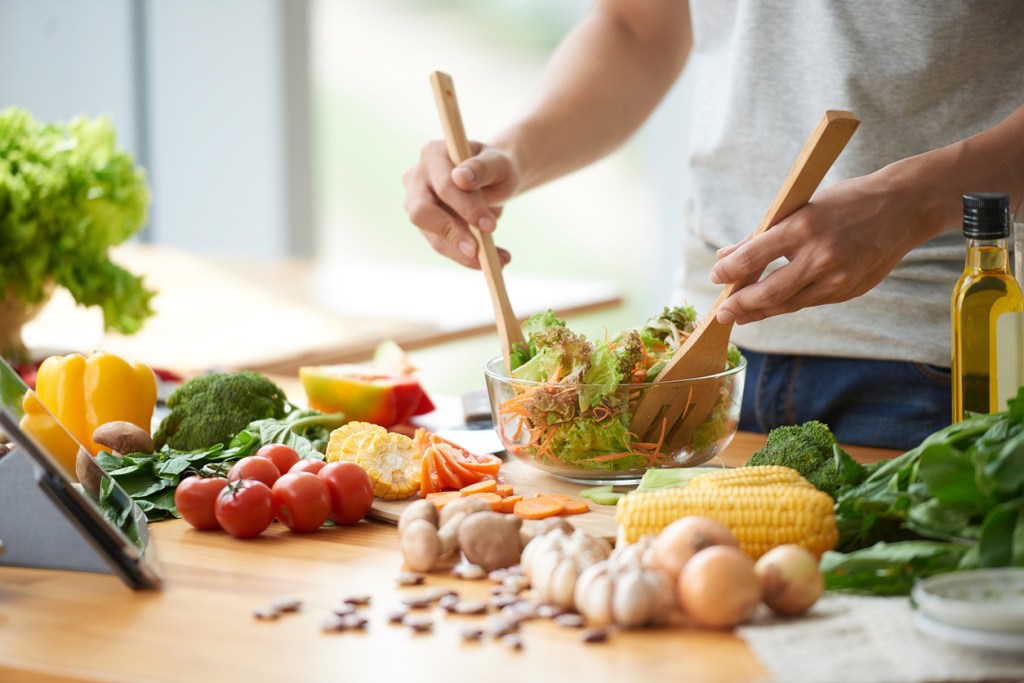
The truth is there’s no “one size fits all” solution to permanent healthy weight loss. What works for one person might not work for you, since our bodies respond differently to different foods, counting on genetics and other health factors. To seek out the tactic of weight loss that’s right for you’ll likely take time and need patience, commitment, and a few experimentation with different foods and diets.

Read More: Weight Loss Program

While some people respond well to counting calories or similar restrictive methods, others respond better to having more freedom in planning their weight-loss programs. Being liberal to simply avoid fried foods or crop on refined carbs can set them up for fulfillment. So, don’t get too discouraged if a diet that worked for somebody else doesn’t work for you. And don’t beat yourself up if a diet proves too restrictive for you to stay with. Ultimately, a diet is merely right for you if it’s one you’ll persist with over time.

Remember: while there’s no easy fix to losing weight, there are many steps you’ll fancy develop a healthier relationship with food, curb emotional triggers to overeating, and achieve a healthy weight.

Four popular weight loss strategies

1. Cut calories

Some experts believe that successfully managing your weight comes right down to an easy equation: If you eat fewer calories than you burn, you reduce. Sounds easy, right? Then why is losing weight so hard?

• Weight loss isn’t a linear event over time. once you cut calories, you’ll drop weight for the primary few weeks, for instance , then something changes. You eat an equivalent number of calories but you lose less weight or no weight in the least. That’s because once you reduce you’re losing water and lean tissue also as fat, your metabolism slows, and your body changes in other ways. So, so as to continue dropping weight hebdomadally, you would like to continue cutting calories.

• A calorie isn’t always a calorie. Eating 100 calories of high fructose syrup, for instance, can have a special effect on your body than eating 100 calories of broccoli. The trick for sustained weight loss is to ditch the foods that are full of calories but don’t cause you to feel full (like candy) and replace them with foods that fill you up without being loaded with calories (like vegetables).

• Many folks don’t always eat simply to satisfy hunger. We also address food for comfort or to alleviate stress—which can quickly derail any weight loss plan.

2. Cut carbs

A different way of viewing weight loss identifies the matter as not one among consuming too many calories, but rather the way the body accumulates fat after consuming carbohydrates—in particular the role of the hormone insulin. once you eat a meal, carbohydrates from the food enter your bloodstream as glucose. so as to stay your blood glucose levels in restraint , your body always burns off this glucose before it burns off fat from a meal.

Read More: NutriFit India

If you eat a carbohydrate-rich meal (lots of pasta, rice, bread, or french-fried potatoes, for instance), your body releases insulin to assist with the influx of all this glucose into your blood. also as regulating blood glucose levels, insulin does two things: It prevents your fat cells from releasing fat for the body to burn as fuel (because its priority is to burn off the glucose) and it creates more fat cells for storing everything that your body can’t burn off. The result’s that you simply gain weight and your body now requires more fuel to burn, so you eat more. Since insulin only burns carbohydrates, you crave carbs then begins a vicious circle of consuming carbs and gaining weight. To reduce , the reasoning goes, you would like to interrupt this cycle by reducing carbs.

Most low-carb diets advocate replacing carbs with protein and fat, which could have some negative long-term effects on your health. If you are doing try a low-carb diet, you’ll reduce your risks and limit your intake of saturated and trans fats by choosing lean meats, fish and vegetarian sources of protein, low-fat dairy products, and eating many leafy green and non-starchy vegetables.

3. Cut fat

It’s a mainstay of the many diets: if you don’t want to urge fat, don’t eat fat. Walk down any grocery aisle and you’ll be bombarded with reduced-fat snacks, dairy, and packaged meals. But while our low-fat options have exploded, so have obesity rates. So, why haven’t low-fat diets worked for more of us?

1. Not all fat is bad. Healthy or “good” fats can actually help to regulate your weight, also as manage your moods and fight fatigue. Unsaturated fats found in avocados, nuts, seeds, soy milk, tofu, and fatty fish can help fill you up, while adding a touch tasty vegetable oil to a plate of vegetables, for instance , can make it easier to eat healthy food and improve the general quality of your diet.

2. We frequently make the incorrect trade-offs. Many folks make the error of swapping fat for the empty calories of sugar and refined carbohydrates. Rather than eating whole-fat yoghurt, for example, we eat low- or no-fat versions that are full of sugar to form up for the loss of taste. Or we swap our fatty breakfast bacon for a muffin or donut that causes rapid spikes in blood glucose.

4. Follow the Mediterranean diet

The Mediterranean diet emphasizes eating good fats and good carbs along side large quantities of fresh fruits and vegetables, nuts, fish, and olive oil—and only modest amounts of meat and cheese. The Mediterranean diet is quite almost food, though. Regular physical activity and sharing meals with others also are major components.

Whatever weight loss strategy you are trying, it’s important to remain motivated and avoid common dieting pitfalls, like emotional eating.

Control emotional eating

We don’t always eat simply to satisfy hunger. only too often, we address food when we’re stressed or anxious, which may wreck any diet and gain the pounds. does one eat when you’re worried, bored, or lonely? does one snack ahead of the TV at the top of a stressful day? Recognizing your emotional eating triggers can make all the difference in your weight-loss efforts. If you eat when you’re:

Stressed – find healthier ways to calm yourself. Try yoga, meditation, or soaking during a hot bath.

Low on energy – find other mid-afternoon pick-me-ups. Try walking round the block, taking note of energizing music, or taking a brief nap.

Lonely or bored – reach bent others rather than reaching for the refrigerator. Call a lover who causes you to laugh, take your dog for a walk, or attend the library, mall, or park—anywhere there’s people.

Practice mindful eating instead

Avoid distractions while eating. Try to not eat while working, watching TV, or driving. It’s too easy to mindlessly overeat.

Pay attention. Eat slowly, savoring the smells and textures of your food. If your mind wanders, gently return your attention to your food and the way it tastes.

Mix things up to specialize in the experience of eating. Try using chopsticks instead of a fork, or use your utensils together with your non-dominant hand.

Stop eating before you’re full. It takes time for the signal to succeed in your brain that you’ve had enough. Don’t feel obligated to always clean your plate.

Stay motivated

Permanent weight loss requires making healthy changes to your lifestyle and food choices. To remain motivated:

Slow and steady wins the race. Losing weight too fast can take a toll on your mind and body, making you is feeling sluggish, drained, and sick. Aim to lose one to 2 pounds every week so you’re losing fat instead of water and muscle.

Set goals to stay you motivated. Short-term goals, like eager to fit into a bikini for the summer, usually don’t work also as eager to feel more confident or become healthier for your children’s sakes. When temptation strikes, specialize in the advantages you’ll reap from being healthier.

Use tools to trace your progress. Smartphone apps, fitness trackers, or just keeping a journal can assist you keep track of the food you eat, the calories you burn, and therefore the weight you lose. Seeing the leads to black and white can assist you stay motivated.

Get much sleep. Lack of sleep stimulates your appetite so you would like more food than normal; at an equivalent time, it stops you feeling satisfied, making you would like to stay eating. Sleep deprivation also can affect your motivation, so aim for eight hours of quality sleeps an evening.

Cut down on sugar and refined carbs

Whether or not you’re specifically getting to cut carbs, most folks consume unhealthy amounts of sugar and refined carbohydrates like light bread , pizza dough, pasta, pastries, white flour, polished rice , and sweetened breakfast cereals. Replacing refined carbs with their whole-grain counterparts and eliminating candy and desserts is merely a part of the answer, though. Sugar is hidden in foods as diverse as canned soups and vegetables, spaghetti sauce, margarine, and lots of reduced fat foods. Since your body gets all it needs from sugar present in food, all this added sugar amounts to zilch but tons of empty calories and unhealthy spikes in your blood sugar.

Fill up with fruit, veggies, and fiber

Even if you’re cutting calories, that doesn’t necessarily mean you’ve got to eat less food. High-fiber foods like fruit, vegetables, beans, and whole grains are higher in volume and take longer to digest, making them filling—and great for weight-loss.

It’s generally okay to eat the maximum amount fresh fruit and non-starchy vegetables as you want—you’ll feel full before you’ve overdone it on the calories.

Eat vegetables raw or steamed, not fried or breaded, and dress them with herbs and spices or a touch vegetable oil for flavor.

Add fruit to low sugar cereal—blueberries, strawberries, sliced bananas. You’ll still enjoy many sweetness, but with fewer calories, less sugar, and more fiber.

Bulk out sandwiches by adding healthy veggie choices like lettuce, tomatoes, sprouts, cucumbers, and avocado.

Snack on carrots or celery with hummus rather than high-calorie chips and dip.

Add more veggies to your favorite main courses to form your dish more substantial. Even pasta and stir-fries are often diet-friendly if you employ fewer noodles and more vegetables.

Start your meal with salad or petite marmite to assist fills you up so you eat less of your entrée.

Take charge of your food environment

Set yourself up for weight-loss success by taking charge of your food environment: once you eat what proportion you eat, and what foods you create easily available.

Cook your own meals reception. This enables you to regulate both portion size and what goes in to the food. Restaurant and packaged foods generally contain tons more sugar, unhealthy fat, and calories than food cooked at home—plus the portion sizes tend to be larger.

Serve yourself smaller portions. Use small plates, bowls, and cups to form your portions appear larger. Don’t dine out of huge bowls or directly from food containers, which makes it difficult to assess what proportion you’ve eaten.

Eat early. Studies suggest that consuming more of your daily calories at breakfast and fewer at dinner can assist you drop more pounds. Eating a bigger, healthy breakfast can jump start your metabolism, stop you feeling hungry during the day, and provides you longer to burn off the calories.

Fast for 14 hours each day. Attempt to eat dinner earlier within the day then fast until breakfast subsequent morning. Eating only you’re most active and giving your digestion an extended break may aid weight loss.

Plan your meals and snacks before time. You’ll create your own small portion snacks in plastic bags or containers. Eating on a schedule will assist you avoid eating once you aren’t truly hungry.

Drink more water. Thirst can often be confused with hunger, so by beverage you’ll avoid extra calories.

Limit the quantity of tempting foods you’ve got reception. If you share a kitchen with non-dieters, store indulgent foods out of sight.

Get moving

The degree to which exercise aids weight loss is hospitable debate, but the advantages go way beyond burning calories. Exercise can increase your metabolism and improve your outlook—and it’s something you’ll enjoy immediately . choose a walk, stretch, move around and you’ll have more energy and motivation to tackle the opposite steps in your weight-loss program.

Lack time for an extended workout? Three 10-minute spurts of exercise per day are often even as good together 30-minute workout.

Remember: anything is best than nothing. begin slowly with small amounts of physical activity every day . Then, as you begin to reduce and have more energy, you’ll find it easier to become more physically active.

Find exercise you enjoy. Try walking with a lover , dancing, hiking, cycling, playing Frisbee with a dog, enjoying a pickup game of basketball, or playing activity-based video games together with your kids.

Related Posts:

Green Tea For Weight Loss

Quick Weight Loss Diet Plan

Different Types of Teas

Keeping the load off

You may have heard the widely quoted statistic that 95% of individuals who reduce on a diet will regain it within a couple of years—or even months. While there isn’t much hard evidence to support that claim, it’s true that a lot of weight-loss plans fail within the future. Often that’s just because diets that are too restrictive are very hard to take care of over time. However, that doesn’t mean your weight loss attempts are doomed to failure. Far away from it.

Since it had been established in 1994, The National Weight Control Registry (NWCR) within the us, has tracked over 10,000 individuals who have lost significant amounts of weight and kept it off for long periods of your time. The study has found that participants who’ve been successful in maintaining their weight loss share some common strategies. Whatever diet you employ to reduce within the first place, adopting these habits may assist you to stay it off:

• Stay physically active. Successful dieters within the NWCR study exercise for about hour, typically walking.

• Keep a food log. Recording what you eat a day helps to stay you accountable and motivated.

• Eat breakfast a day. Most ordinarily within the study, it’s cereal and fruit. Eating breakfast boosts metabolism and staves off hunger later within the day.

• Eat more fiber and less unhealthy fat than the standard American diet.

• Regularly check the size. Weighing yourself weekly may assist you to detect any small gains in weight, enabling you to promptly take corrective action before the matter escalates.

• Watch less television. Curtailing on the time spent sitting ahead of a screen are often a key a part of adopting a more active lifestyle and preventing weight gain.

Read More: Weight Loss Diet Plan
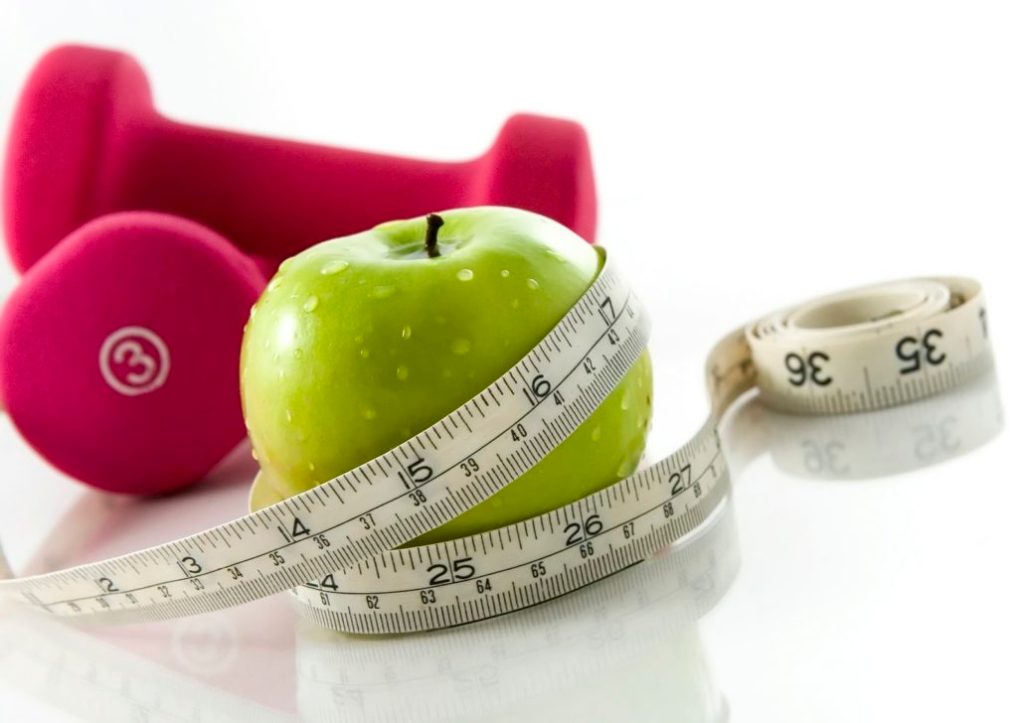
Safe and Successful Weight Loss Program

Do you think you would like to lose weight? Have you ever been brooding about trying a weight-loss program?

You are not alone. Quite 70 percent adults are overweight or have obesity1 —and many of them attempt to lose the additional pounds through different sorts of Weight Loss Program. Variety of those programs is advertised in magazines and newspapers, also as on the radio, TV, and internet. But are they safe? And can they work for you?

Here you’ll find recommendations on the way to choose a program which will assist you reduce safely and keep it off over time. You’ll also find out how to speak with a health care professional about your weight.

Your health care professional could also be ready to assist you make lifestyle changes to succeed in and maintain a healthy weight. However, if you’re having trouble making these lifestyle changes—or if these changes aren’t enough to assist you reach and occupy a healthy weight—you might want to think about a weight-loss program or other sorts of treatment.

Read More: Weight Loss

Where do I start?

Talking with a health care professional about your weight is a crucial initiative. Sometimes, health care professionals might not address issues like healthy eating, physical activity, and weight during general office visits. You’ll get to raise these issues yourself. If you are feeling uneasy talking about your weight, bring your questions with you and practice talking about your concerns before your office visit. Aim to figure together with your health care professional to enhance your health.

Prepare for your visit

Before your visit with a health care professional, believe the subsequent questions:

• How am I able to change my eating habits so I are often healthier and reach a healthy weight?

• How much and what sort of physical activity do i feel i want to be healthier and reach a healthy weight?

• Could I enjoy seeing a nutrition professional or weight-loss specialist, or joining a weight-loss program?

You can be better prepared for a visit with a health care professional if you

• write down all of your questions before time

• record all of the medicines and dietary supplements NIH external link you’re taking, or bring them with you

• write down the kinds of diets or programs you’ve got tried within the past to reduce

• bring a pen and paper, smartphone, or other mobile device to read your questions and take notes

During your visit, a health care professional may

• review any medical problems you’ve got and medicines you’re taking to ascertain whether or not they could also be affecting your weight or your ability to reduce

• ask you about your eating, drinking, and physical activity habits

• determine your body mass index (BMI) to ascertain whether you’re overweight or have obesity

If a health care professional says you ought to reduce , you’ll want to invite a referral to a weight-loss program, dietitian, or weight-loss specialist. If you opt to settle on a weight-loss program on your own, consider talking with the health care professional about the program before you check in , especially if you’ve got any health problems.

Ask questions if you don’t understand something your health care professional has said, or if you would like more information.

What should I search for during a weight-loss program?

To reach and occupy a healthy weight over the future, you want to specialize in your overall health and lifestyle habits, not just on what you eat. Successful weight-loss programs should promote healthy behaviors that assist you reduce safely, that you simply can persist with a day, which assist you keep the load off.

Safe and successful weight-loss programs should include

• behavioral treatment, also called lifestyle counseling, which will teach you ways to develop and persist with healthier eating and physical activity habits—for example, keeping food and activity records or journals

• Information about getting enough sleep, managing stress, and therefore the benefits and disadvantages of weight-loss medicines

• Ongoing feedback, monitoring, and support throughout the program, either face to face, by phone, online, or through a mixture of those approaches

• Slow and steady weight-loss goals—usually 1 to 2 pounds per week (though weight loss could also be faster at the beginning of a program)

• a plan for keeping the load off, including goal setting, self-checks like keeping a food journal, and counseling support

The most successful weight-loss programs provide 14 sessions or more of behavioral treatment over a minimum of 6 months—and are led by trained staff.2

Some commercial weight-loss programs have all of those components for a secure and successful weight-loss program. Check for these features in any program you’re brooding about trying.

Read More: Weight Loss Diet Plan
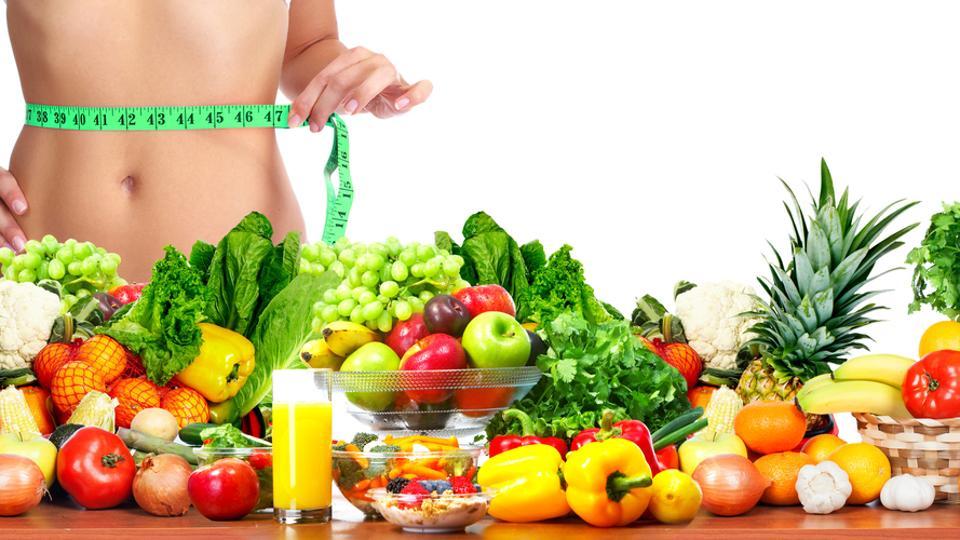
Although these diets may help some people lose tons of weight quickly—for example, 15 pounds during a month—they might not help people keep the load off future . These diets also may have related health risks, the foremost common being gallstones.3

For people that are overweight or have obesity, experts recommend a beginning weight-loss goal of 5 to 10 percent of your starting weight within 6 months.2 If you weigh 200 pounds, that might amount to a loss of 10 pounds, which is 5 percent of starting weight, to twenty pounds, which is 10 percent of starting weight, in 6 months.

Changing your lifestyle isn’t easy, but adopting healthy habits that you simply don’t hand over after a couple of weeks or months may assist you maintain your weight loss. Read the way to change your habits for better health.

What if the program is obtainable online?

Many weight-loss programs are now being offered partly or completely online and thru apps for mobile devices. Researchers are studying how well these programs work on their own or along side in-person programs, especially future. However, experts suggest that these weight-loss programs should provide the following:

• Organized, weekly lessons, offered online or by podcast, and tailored to your personal goals

• Support from a professional staff person to satisfy your goals

• a decide to track your progress on changing your lifestyle habits, like healthy eating and physical activity, using tools like cellphones, activity counters, and online journals

• Regular feedback on your goals, progress, and results provided by a counselor through email, phone, or text messages

• The option of social support from a gaggle through bulletin boards, chat rooms, or online meetings

Whether a program is online or face to face, you ought to get the maximum amount background as you’ll before you opt to hitch.

What questions should I ask a few weight-loss programs?

Weight-loss program staff should be ready to answer questions on the program’s features, safety, costs, and results. Determine if the program you’re curious about is predicated on current research about what works for reaching and maintaining a healthy weight.

A first and really important question to ask of economic weight-loss programs is, “Has your company published any reports in peer-reviewed, scientific journals about the security and effectiveness of your program?”

If the response is “yes,” invite a replica of the report or how you’ll catch on. If the solution is “no,” the program is harder to guage and should not be as favorable a choice as programs that have published such information. If you’ve got questions on the findings, discuss the report together with your health care professional.

Read More: Quick Weight Loss Diet Plan

Here are other questions you’ll want to ask:

What does the program include?

Eating

• Am I expected to follow a selected meal plan?

• Am I encouraged to write down down what I eat each day?

• Do I even have to shop for special meals or supplements? If so, what are the daily or weekly costs?

• Does the program offer healthy meal-plan suggestions that I could stick with?

• If the program requires special foods, am i able to make changes supported my likes, dislikes, and any food allergies i’ll have?

Physical Activity

• Does the program include a physical activity plan?

• Does the program offer ways to assist me be more physically active and stay motivated?

Counseling

• Does the program offer one-on-one or group counseling to assist me develop and persist with my healthier habits?

• Does the program include a trained coach or counselor to assist me overcome roadblocks and stay track?

Weight Maintenance

• Does the program include an idea to assist me bar the load I’ve lost?

• What does that program include? Will there be ongoing counseling support?

Other Features

• How long is that the actual weight-loss program?

• How long is that the weight-loss maintenance program?

• Does the program require that I take any quite medicine?

• Can I speak with a doctor or certified health care provider if i want to?

• Can i modify the program to satisfy my lifestyle, work schedule, and cultural needs?

• Will the program help me deal with such issues as stress or social eating, getting enough sleep, changes in work schedules, lack of motivation, and injury or illness?

• Is the program in person? Is there a web part to the program?

Read More: Weight Loss Diet Plan

What quite education or training do staff members have?

These questions are especially important if you’re considering a medically supervised program that encourages quick weight loss (3 or more pounds every week for several weeks):

• Does a doctor or other certified health care provider run or oversee the program?

• Does the program include specialists in nutrition, physical activity, behavior change, and weight loss?

• What sort of certifications, education, experience, and training do staff members have? How long, on the average, has most of the staff been working with the program?

Does the program or product carry any risks?

• Could the program cause health problems or be harmful to me in any way?

• Is there ongoing input and follow-up to make sure my safety while I’m within the program?

• Will the program’s doctor or staff work with my health care professional if needed—for example, to deal with how the program may affect an ongoing medical issue?

How much does the program cost?

• What is that the total cost of the program, from starting to end?

• Are there costs that aren’t included therein total, like membership fees or fees for

  • Weekly visits
  • Food, meal replacements, supplements, or other products
  • Medical tests
  • Counseling sessions
  • Follow-up to take care of the load I’ve lost

What results do people within the program typically achieve?

• How much weight does the typical person lose?

• How long does the typical person keep the load off?

• Do you’ve got written information on these and other program results?

• Are the results of the program published during a peer-reviewed scientific journal?

What if I want more help losing weight?

If a weight-loss program isn’t enough to assist you reach a healthy weight, ask your health care professional about other sorts of weight-loss treatments. Prescription medicines to treat overweight and obesity, combined with healthy lifestyle changes, may help some people reach a healthy weight. For a few people that have extreme obesity, bariatric surgery could also be an option.

For More Visits: Weight Loss Program

Oatmeal Diet for Weight Loss

Humans across the world, generally, are concerned about their body image and weight a minimum of once. The steady rise in obesity has only added to the present concern.

Excessive intake of food, lack of physical exercises and sedentary lifestyle are majorly liable for this obesity menace.

This unhealthy diet and lifestyle will invite several health issues like hypertension, cardiovascular ailments, impaired glucose metabolism, apnea, and depression to call a couple of.

In this article, we discuss ways to tackle overweight-related health hazards and the way to manage weight through an oatmeal diet. Before applying this diet, you want to also know the benefits and risks involved within the oatmeal diet.

Let us see how it helps you counter the ill-effects and achieve a healthy weight.

Further, you come to style and study the illustrative 7-day oatmeal diet plan which will assist you to lose fat much quicker than the other method.

Feel good factor with weight loss:

If you aspire to steer an extended and healthy life, there’s no better option than to shed some excess weight. You’ll feel better both physically and mentally.

Even reducing 5 to 10 per cent of your excess fat within the body can benefit you remarkably. You’ll find your vital sign easing, and your sugar metabolism and sleeping pattern improving significantly.

What is oatmeal?

Oatmeal may be a porridge prepared from oats, a much-preferred food by many. The chief constituent of oatmeal is oats which may be a gluten-free whole grain with a lot of dietetic benefits.

You can also add fruits, berries, and nuts to your oatmeal. Adding these will enhance its taste, improve its nutritional value and can satiate your stomach.

Read More: Weight Loss Diet Plan

Oatmeal diet

As the name suggests, oatmeal is that the major meal you’ll be consuming in an oatmeal diet.

The longer you stick with the oatmeal diet; you’ll experience significant weight loss alongside other health benefits. The great news is, similar results are often achieved with a 7-day oatmeal diet too.

In an oatmeal diet, you’ll also eat other healthy foods to form the diet wholesome.

You can break your oatmeal diet plan into two stages to realize a slow, steady and sustainable weight loss.

• Stage I: Initially you eat oats for all three meals daily for a few of days. It needn’t be within the sort of oatmeal. You’ll also eat meals prepared using oats amid some fruits.

• Stage II: On completion of Stage I, you’ll eat oatmeal for one or two meals each day and include meals consisting of low-fat foods like lean meat, chicken or fish. You want to consume more fruits and vegetables at this stage.

As an alternate, you’ll skip Stage I and choose the Stage II method for the whole duration of your oatmeal diet regimen.

How to make an oatmeal diet a success?

Make sure your entrée is oatmeal for a minimum of two major meals. This makes the diet simpler.

The normal recommended serving size of oatmeal is half a cup. Add cinnamon for flavor and consume some milk and fruit. Have little helping of low-fat yoghurt. This may aid indigestion. For dinner, consider foods like grilled chicken, fish or little lean steak.

Health benefits of oatmeal diet

The nutritional value of oats makes it a dietary powerhouse.

The multiple nutrients obtained from a half cup of oatmeal cooked in water are:

• Fibre: 2 grams

• Protein: 3 grams

• Fat: 1.5 grams

• Sugar: 0 gram

• Calcium: 2% of the recommended amount per day

• Iron: 6%

Oats may be a nutrient-dense food and it’s also amazingly filling. The abundantly present beta-glucan present in oats may be a soluble fiber that slows down the method of digestion as they’re lower in glycemic index.

It also binds with cholesterol to fail out from the body, thus reducing the incidence of heart condition and management of cholesterol levels within the body.

Whole oats also are loaded with many essential vitamins and minerals like Folate, vitamin B1 and B5; Manganese, Phosphorous, Magnesium, Zinc, etc. they’re rich in antioxidant compounds like phytoestrogens that helps in reducing body’s internal inflammation.

This is a perfect breakfast cereal because it suppresses appetite and successively, prevents unhealthy snacking throughout the day. Oats take little or no time to cook and are easy to swallow.

However, one must pick whole oats than the highly processed instant oats that are available within the market.

Regular consumption of oats will assist you to scale back the risks of vital sign , cardiac diseases etc.

Some studies suggest that consumptions of oats may reduce the danger of bowel diseases; however, the results remain inconclusive.

Read More: Weight Loss Program

Is there a risk in oatmeal diet?

Though oats offer numerous health benefits, one cannot ignore the disadvantages of eating only oats for a period of your time.

The prolonged consumption of a really reducing diet may leave you fatigued. Likewise, an oats-only diet may result in an imbalance in your healthy nutrition intake.

Let us enumerate the possibilities:

• Since oats are extremely low in calories; you’ll feel tired and undernourished at the top of the day. to beat this shortcoming, you’ll eat additional vegetables and fruits to revive the balance.

• The oatmeal diet may be a very restrictive diet that excludes other healthy foods. This might impact your metabolism. Tweak your diet plan in such how that it’s less restrictive. This may assist you continue with the diet.

• Eating oatmeal every single day will bore you and after some extent of your time, you’ll start to detest your diet. You’ll avoid this by cooking oats in several ways and including other healthy foods.

Conclusion

The choice of oatmeal diet plan as a part of a healthy diet to scale back weight is right. It’s itself a low-calorie food item, cost-friendly with several nutritional properties.

Oatmeal diet being fibre -rich, is sort of great to enhance digestive health and manage blood glucose levels. It also causes you to feel full for the foremost a part of the day inhibiting your food craving. As you eat less, your oatmeal diet indeed becomes efficient thanks to reduce.

Oatmeal Diet is healthier for weight loss than a low-calorie diet; however, the physical body cannot depend upon one food group for survival.

One must include all food groups to achieve optimum nutritional balance within the body. Also, one diet doesn’t fit all.

Read More: Quick Weight Loss Diet Plan

Top Weight Loss Diet Plan Healthy

Thirty-eight percent of individuals have health and weight loss goals in January and they are able to try something new — goodbye because it works. But there’s one key thing to remember: there’s no one-diet-fits-all plan (though that might make things easy). You’ve got to seek out one that matches your lifestyle so you really stick with it. Thereupon in mind, here are the highest diet plans that really get results. All you’ve got to try to is pick one…and grab a fork.

Whole30 is super popular, and if you have been having digestive issues, it’s an especially good one to undertake. Because you always only eat veggies and protein for 30 days — and cut out common problem foods like alcohol, sugar, dairy, and a few nuts — you’ll find out what you body likes (and doesn’t!) as you slowly introduce them back to your diet.

MACROBIOTIC DIET

The macrobiotic sort of eating has roots in Japan, but it’s becoming popular round the world for an honest reason: The primarily plant-based diet filled with fruits, veggies, whole grains, and little amounts of fish could help keep off everything from heart condition and diabetes to cancer — mostly because you’re not eating sugar, processed food, or plenty of animal products.

KETOGENIC DIET

The high-fat, low-carb ketogenic diet is not just touted as how to assist you lose weight; research has also shown that it’s going to be an efficient tool for keeping your psychological state in restraint . Laboratory rats fed ketogenic diets — which contains many fish, natural fats, many vegetables, and really few starchy, high-carbohydrate foods — showed improvements in their depression, anxiety, and ADHD.

WILD DIET

The concept behind this diet is pretty simple: ditch all processed foods for bites that come even as nature made them. Proponents of the plan dig in to foods like wild salmon, fresh veggies, local eggs and, of course, chocolate (because what’s life without chocolate?). Abel James is that the creator of those nutrition guidelines, and he promises that if you avoid artificial ingredients you will be ready to “feast all day, yet stay lean and h

TACO DIET

Tacos all day every day? Yes please. The Taco Cleanse promises weight loss from eating one among your favorite foods exclusively, and you’ll actually get an honest amount of nutritional variety because, well, you’ll put anything during a taco. It’s only alleged to last for 30 days — though going at it for less than every week is cool, too — and that is why this diet can assist you hit a push button (you should not be using it as a full-time nutrition plan.) Plus, tons of the recipes are literally vegan, so you’ll typically be reaching for healthy ingredients over processed ones.

DISASSOCIATED DIET

This plan isn’t a replacement one: the Dissociated Diet was invented in 1911, but because of the recognition of “food science,” (aka really watching how different foods play with others), it’s seen resurgence. If you follow it, the most rule isn’t to mix acidic foods (think meats, fish, dairy) with alkaline ones (legumes, vegetables, nuts). Why? It’s said to be easier on your gastrointestinal system , which successively helps boost weight loss results (though, to be honest, the science behind this is often controversial). Of course, you’ll also load on many fruits and veggies, and since those are a neighborhood of any healthy diet, that certainly plays a task in any success you will see.

WEIGHT WATCHERS

It’s a diet that’s been long heralded and has churned out many an success story. the main target is on Smart Points—or points assigned to foods supported calories, saturated fat, protein, and sugar—which you add up to succeed in your daily allotment (fruits and veggies are free). And you recognize what: it works! One study analyzed the effectiveness of a spread of diets, and declared Weight Watchers to be such an excellent option for keeping weight off long-term that docs should prescribe it to their patients. The support of Weight Watchers meetings and accountability at weigh-ins, keeping you motivated to succeed in your goals.

MEDITERRANEAN DIET

The French and Italians have something right: fruits and veggies, whole grains, nuts, fish, and much of vegetable oil may be a tasty—and slimming—way of noshing. Oh, and wine. Did we forget to say wine? During a meta-analysis on 16 studies, researchers realized the plan helped dieters lose a mean of 8.5 pounds. But it isn’t magic—you need to cut calories, exercise, and persist with it for quite six months for the simplest results, the research found. So if you are going to travel for it put away the whole bottle of vino and pours yourself a wise glass instead.

DASH DIET

“Dietary Approaches to prevent Hypertension” emphasizes fruits and veggies and slashes sodium, fat, and saturated fat. Cutting sodium can help minimize bloat, and eating more low-calorie, high-fiber foods may be a bright idea for any woman who must fit into her skinny jeans. Quite that, it is a heart-healthy way of eating which will keep vital sign in restraint. So you’ll feel good, too.

MIND DIET

Take two high-powered diets—Mediterranean and DASH—and combine them for brain-boosting power. that is the idea behind MIND, an idea designed to assist prevent Alzheimer’s disease by that specialize in foods like green leafy vegetables, whole grains, olive oil, and (hooray!) wine.

VEGAN DIET

Life without bacon and cheese sounds harsh, but your hips will many thanks. Vegan diets beat out semi-vegetarian, pescatarian (fish), and omnivorous (meat and plant foods) diets, consistent with recent research. In fact, after six months, dieters lost quite twice the load compared to the opposite groups. But you cannot nix all animal products and call it a day—quality matters. “I see it a lot: two vegans, one is basically healthy and therefore the other is basically unhealthy.

and holistic health counselor. “You can eat potato chips all day and that is a vegan diet,” she says. If you are going vegan, specialize in those complex carbs, produce, healthy fats, and whole soy foods; skip processed junk, albeit it’s vegan.

VEGETARIAN DIET

Whether your reason for going vegetarian is moral, environmental, or for health, one thing’s for sure: weight losses are often a pleasant bonus. In fact, therein same study that evaluated vegan, vegetarian, and omnivorous diets, vegetarian diets were almost as effective as vegan—helping people lose 6.3 percent of their weight compared to 7.5 percent within the vegan group during a half year.

THE ZONE DIET

If it can get Jennifer Aniston her amazing abs, arms, butt, well then, we’re getting to take it into consideration. On the low carb plan, you eat low-fat protein, non-starchy vegetables, small amounts of fruit, and a touch of healthy fat (like olive oil). During a 2014 meta-analysis that pitted The Zone diet against Weight Watchers, Atkins, and South Beach, researchers found The Zone is sweet for modest, long-term weight loss. After a year, dieters dropped 3.5 to 7 pounds. Not bad, but it’s going to be disappointing if you’ve got more to lose.

BIGGEST LOSER DIET

You’d think that a weight loss competition show would push some kind of crazy gimmicky plan that leaves you starving. But this one goes heavy on the fruits, veggies, and lean protein—and exercise. Seems like it is sensible, right? Exactly—and that’s why it works.

FATTY LIVER DIET

A love for the drive thru can get you in trouble: being overweight is one risk factor for non-alcoholic liver disease, which may happen when fat builds up within the liver and people fatty foods make the organ work overtime. Luckily, though, cleaning up your eats can help reverse some damage to liver cells. The American Liver Foundation recommends keeping them low-cal and loading abreast of fiber (raspberries, lentils, and oatmeal are good choices). But confine mind this is not a fad diet—it’s more a medical necessity for those in danger . So while it’s generally healthy, there is no reason to travel thereon specifically unless advised by your doctor.

HIGH VITAL SIGN DIET

Talk about heart ache: high vital sign stresses arteries, and may cause you to more vulnerable to heart condition . To eat to lower your vital sign , you only got to specialise in heart-healthy bites. The American Heart Association recommends loading abreast of fruits, veggies, whole grains, low- or non-fat dairy, beans, lean meats, and fish. Bonus: no one’s ever gotten fat eating more kale and beans.

ARTHRITIS DIET

Diet alone can’t cure arthritis—but it can help ease joint pain. The key’s loading abreast of foods that lower inflammation, consistent with the Arthritis Foundation. So choose more fish, nuts, fruits and veggies, whole grains, and olive oil; limit alcohol, saturated fat, processed junk, and sugar. One big perk: the plan will assist you reduce, making everyday activities easier on your joints. Ah, sweet relief.

HIGH FIBER DIET

Who could argue with a diet that emphasizes foods like beans, berries, whole grains, greens, nuts, seeds, and potatoes? Those foods are all good fiber-filled picks. The hunger-taming nutrient may be a super star for filing you up, so you naturally eat less throughout the day. To not mention that, when researchers asked people to form only one change to their diet—add more fiber—they were almost four pounds skinnier after a year compared to those following the American Heart Association dietary guidelines. Aim for a minimum of 30 grams each day and you will get on the proper track.

ACID REFLUX DIET

First things first: there is no reason to travel on this diet unless you suffer from symptoms of acid reflux (heartburn, upper abdominal pain). If you do, experts say that what you eat can make an enormous difference find relief, especially if you do not want to believe meds. So you’ll eat fewer fatty, greasy foods—goodbye fast food—and avoid alcohol. Both changes can cause one nice (but unintentional) side effect: weight loss.

1,200-CALORIE DIET

Pretty self-explanatory: eat 1,200 calories each day . If you’re doing it for quick weight loss or to jumpstart a diet, it can get the work done, says Salzman. But you’ve to form those calories count. “You can have a balanced and satisfying 1,200 calorie day filled with good protein, healthy fats, and sophisticated carbs—or you’ll have one filled with junk that spikes your blood glucose and causes you to feel lightheaded and awful,” she says. Just remember: if you are a tall woman or athletic, you’ll got to eat more calories even when trying to reduce to form sure your body is getting the sustenance it needs.

SEATTLE SUTTON

Choose the 1,200-calorie plan if taking place a dress size is your goal. (You could also do a 2,000-calorie plan if you’re in weight maintenance mode.) The corporate sends you low-cal, low-fat already prepared and perfectly portioned meals of fresh foods , making this ideal if you do not wish to cook or do not have time to try to it. “It helps you create smart choices and is sweet for people with diabetes or heart condition.

DIABETIC DIET

When you’re diabetic, it’s crucial to eat well to stay blood glucose stable. The American Diabetes Association says you’ll use visual cues on your plate to try to it right: fill one-quarter with starchy foods (whole grains, legumes), one-quarter with high-protein foods (fish, egg whites, chicken), then half with non-starchy veggies (spinach, peppers). Even better: these smart choices can assist you reduce.

Read More: Diabetic Management

PCOS DIET

If you have been noticing excess facial hair, period irregularities, acne, and you’re obese, your doc may consider Polycystic Ovary Syndrome. PCOS may be a hormonal disorder that’s related to insulin resistance and may make it incredibly hard to reduce. the advice combines standard diet advice—eat less, move more—plus a coffee carb diet (ditch the refined carbs, eat high-fiber complex ones) to assist control insulin. it isn’t a specialized, revolutionary diet by any means, but sticking thereto pays off. Research shows losing 5 percent of your weight can make an enormous difference in regaining fertility, clearing your skin, getting obviate unwanted hair, and balancing hormones.

Read More: PCOS/PCOD

LOW CHOLESTEROL DIET

Okay, this one’s not for weight loss intrinsically, but if you’ve high cholesterol or are in danger for heart condition, your doc might suggest switching up your diet to urge your numbers in restraint. consistent with the American Heart Association, meaning all the essential tenants of eating healthy—the (almost boring) things you’ve heard before—eat more fruits and veggies, whole grains, low-fat and non-fat dairy, chicken, fish, nuts, seeds, and vegetable oils. But it’s what you’re eating less of that basically counts. Fewer high-cal foods like sweets, fatty and processed meats, full fat dairy, trans fat, and fried foods may be a sure-fire thanks to not only lower cholesterol, but also cut calories to reduce.

Read More: Cholesterol Management

PLANT-BASED DIET

Eat food, not an excessive amount of, mostly plants. A plant-based diet encourages produce, nuts, seeds, healthy oils, and whole soy like tofu, while still allowing a touch of high-quality meat, fish, and dairy. During a new study titled “Can we are saying what Diet is Best for Health?” researchers began to try to just that. The winner? “A diet of minimally processed foods on the brink of nature, predominantly plants” they wrote. Great for the simplest diet ever.

ANTI-INFLAMMATORY DIET

There’s no one set anti-inflammation diet, except for some experts meaning eating mostly plant-based and for others it’s that specialize in whole foods. Insulin is an inflammatory hormone that encourages the body to store calories instead of burns them, and may cause weight gain and sort 2 diabetes. He suggests following a diet of lean protein, low-starch veggies (like broccoli) and healthy monounsaturated fats (like avocado) to limit the quantity you’ve hanging around.

For More Info Visit: Weight Loss Diet Plan

Lower Cholesterol with Diet


What is cholesterol?

Your body needs some cholesterol to figure properly. But if you’ve got an excessive amount of in your blood, it can stick with the walls of your arteries and narrow or maybe block them. This puts you in danger of arterial coronaries disease and other heart diseases.

Cholesterol travels through the blood on proteins called lipoproteins. One type, LDL, is usually called the “bad” cholesterol. A high LDL level results in a buildup of cholesterol in your arteries. Another type, HDL, is usually called the “good” cholesterol. It carries cholesterol from other parts of your body back to your liver. Then your liver removes the cholesterol from your body.


What are the treatments for top cholesterol?
The treatments for top cholesterol are heart-healthy lifestyle changes and medicines. The lifestyle changes include healthy eating, weight management, and regular physical activity.


How am I able to lower cholesterol with diet?
Heart-healthy lifestyle changes include a diet to lower your cholesterol. The DASH eating plan is one example. Another is that the Therapeutic Lifestyle Changes diet, which recommends that you simply


Choose healthier fats. You should limit both total fat and saturated fat. Not quite 25 to 35 percent of your daily calories should come from dietary fats, and fewer than 7 percent of your daily calories should come from saturated fat.


Saturated fat may be a bad fat because it raises your LDL (bad cholesterol) level quite anything in your diet. It’s found in some meats, dairy products, chocolate, food, and deep-fried and processed foods.
Tran’s fat is another bad fat; it can raise your LDL and lower your HDL (good cholesterol). Tran’s fat is usually in foods made with hydrogenated oils and fats, like stick margarine, crackers, and french-fried potatoes.Instead of these bad fats, try healthier fats, like lean meat, nuts, and unsaturated oils like canola, olive, and safflower oils.


Limit foods with cholesterol. If you’re trying to lower your cholesterol, you ought to have but 200 mg each day of cholesterol. Cholesterol is in foods of animal origin, like liver and other organ meats, egg yolks, shrimp, and milk dairy products.


Read More: Weight Loss Program
Eat much soluble fiber. Foods high in soluble fiber help prevent your alimentary canal from absorbing cholesterol. These foods include
• Whole-grain cereals like oatmeal and oat bran• Fruits like apples, bananas, oranges, pears, and prunes• Legumes like kidney beans, lentils, chick peas, black-eyed peas, and lima beans

Eat many fruits and vegetables. A diet rich in fruits and vegetables can increase important cholesterol-lowering compounds in your diet. These compounds, called plant stanols or sterols, work like soluble fiber.Eat fish that are high in omega-3 fatty acids. These acids won’t lower your LDL level, but they’ll help raise your HDL level. They’ll also protect your heart from blood clots and inflammation and reduce your risk of attack. Fish that are an honest source of omega-3 fatty acids include salmon, tuna (canned or fresh), and mackerel. Attempt to eat these fish twice every week.


Limit salt. You ought to attempt to limit the quantity of sodium (salt) that you simply eat to not quite 2,300 milligrams (about 1 teaspoon of salt) each day. That has all the sodium you eat, whether it had been added in cooking or at the table, or already present in food products. Limiting salt won’t lower your cholesterol, but it can lower your risk of heart diseases by helping to lower your vital sign. You’ll reduce your sodium by instead choosing low-salt and “no added salt” foods and seasonings at the table or while cooking.


Limit alcohol. Alcohol adds extra calories, which may cause weight gain. Being overweight can raise your LDL level and lower your HDL level. An excessive amount of alcohol also can increase your risk of heart diseases because it can raise your vital sign and triglyceride level. One drink maybe a glass of wine, beer, or little amount of liquor, and therefore the recommendation is that
• Men should haven’t any quite two drinks containing alcohol each day• Women should haven’t any quite one drink containing alcohol each dayNutrition labels can assist you to find out what the proportion of fat, saturated fat, cholesterol, fiber, and sodium is within the foods that you simply buy.


Read More: Cholesterol Management

Weight Loss Diet Plan Low Carb for Your Health

A low-carb diet may be a diet that restricts carbohydrates, like those found in sugary foods, pasta and bread. It’s high in protein, fat and healthy vegetables.

There are many various sorts of low-carb diets, and studies show that they will cause weight loss and improve health.

This is an in depth hotel plan for a low-carb diet. It explains what to eat, what to avoid and includes a sample low-carb menu for one week.

Low-Carb Eating — The fundamentals

Your food choices depend upon a couple of things, including how healthy you’re , what proportion you exercise and the way much weight you’ve got to lose.

Read More: Weight Loss Program

Consider this meal plan as a general guideline, not something written in stone.

Eat: Meat, fish, eggs, vegetables, fruit, nuts, seeds, high-fat dairy, fats, healthy oils and perhaps even some tubers and non-gluten grains.

Don’t eat: Sugar, HFCS, wheat, seed oils, Tran’s fats, “diet” and low-fat products and highly processed foods.

Foods to Avoid

You should avoid these six food groups and nutrients, so as of importance:

• Sugar: Soft drinks, fruit juices, agave, candy, frozen dessert and lots of other products that contain added sugar.

• Refined grains: Wheat, rice, barley and rye, also as bread, cereal and pasta.

• Trans fats: Hydrogenated or partially hydrogenated oils.

• Diet and low-fat products: Many dairy products, cereals or crackers are fat-reduced, but contain added sugar.

• Highly processed foods: If it’s love it was made during a factory, don’t eat it.

• Starchy vegetables: It’s best to limit starchy vegetables in your diet if you’re following a really low-carb diet.

You must read ingredient lists even on foods labelled as health foods.

For more details, inspect this text on 14 foods to avoid on a low-carb diet.

Low-Carb Food List — Foods to Eat

You should base your diet on these real, unprocessed, low-carb foods.

• Meat: Beef, lamb, pork, chicken and others; grass-fed is best.

• Fish: Salmon, trout, haddock and lots of others; wild-caught fish is best.

• Eggs: Omega-3-enriched or pastured eggs are best.

• Vegetables: Spinach, broccoli, cauliflower, carrots and lots of others.

• Fruits: Apples, oranges, pears, blueberries, strawberries.

• Nuts and seeds: Almonds, walnuts, sunflower seeds, etc.

• High-fat dairy: Cheese, butter, cream, yogurt.

• Fats and oils: copra oil, butter, lard, vegetable oil and animal oil .

If you would like to reduce, take care with cheese and nuts, as it’s easy to overeat on them. Don’t eat quite one piece of fruit per day.

Foods to Maybe Include

If you’re healthy, active and do not got to reduce , you’ll afford to eat a couple of more carbs.

• Tubers: Potatoes, sweet potatoes and a few others.

• Unrefined grains: rice , oats, quinoa and lots of others.

• Legumes: Lentils, black beans, pinto beans, etc. (if you’ll tolerate them).

What’s more, you’ll have the subsequent carefully , if you want:

• Dark chocolate: Choose organic brands with a minimum of 70% of cocoa.

• Wine: Choose dry wines with no added sugar or carbs.

Dark chocolate is high in antioxidants and should provide health benefits if you eat it carefully. However, remember that both bittersweet chocolate and alcohol will hinder your progress if you eat/drink an excessive amount of.

Beverages

• Coffee

• Tea

• Water

• Sugar-free carbonated beverages, like soda water.

Healthy, Low-Carb Snacks

There is no health reason to eat quite three meals per day, but if you get hungry between meals, here are some healthy, easy-to-prepare, low-carb snacks which will fill you up:

• A piece of fruit

• Full-fat yogurt

• One or two hard-boiled eggs

• Baby carrots

• Leftovers from the previous night

• A few nuts

• Some cheese and meat

Eating at Restaurants

At most restaurants, it’s fairly easy to form your meals low-carb friendly.

1. Order a meat- or fish-based main dish.

2. Drink plain water rather than sugary soda or fruit crush .

3. Get extra vegetables rather than bread, potatoes or rice.

Read More: Quick Weight Loss Diet Plan

A Simple Low-Carb Shopping List

A good rule is to buy at the perimeter of the shop, where the entire foods are more likely to be found.

Focusing on whole foods will make your diet thousand times better than the quality Western diet.

Organic and grass-fed foods also are popular choices and sometimes considered healthier, but they’re typically costlier .

Try to choose the smallest amount processed option that also fits into your price range.

• Meat (beef, lamb, pork, chicken, bacon)

• Fish (fatty fish like salmon is best)

• Eggs (choose omega-3 enriched or pastured eggs if you can)

• Butter

• Coconut oil

• Lard

• Olive oil

• Cheese

• Heavy cream

• Sour cream

• Yogurt (full-fat, unsweetened)

• Blueberries (fresh or frozen)

• Nuts

• Olives

• Fresh vegetables (greens, peppers, onions, etc.)

• Frozen vegetables (broccoli, carrots, various mixes)

• Condiments (sea salt, pepper, garlic, mustard, etc.)

Clear your pantry of all unhealthy temptations if you’ll , like chips, candy, ice cream, sodas, juices, breads, cereals and baking ingredients like refined flour and sugar.

The Bottom Line

Low-carb diets restrict carbs, like those found in sugary and processed foods, pasta and bread. They’re high in protein, fat and healthy vegetables.

Studies show that they will cause weight loss and improve health.

The above meal plan gives you the fundamentals of healthy, low-carb eating.

If you would like a comprehensive list of low-carb recipes that are both simple and delicious, inspect this text on 101 healthy low-carb recipes that taste incredible.

Read More: Weight Loss Diet Plan

Weight Loss Diet Plan and Controls

What Facts Should I Know about Weight Loss and Control?

Obesity isn’t just the amassing of overabundance muscle versus fat. Obesity is an interminable (long haul) malady with genuine intricacies that is extremely hard to treat. In that capacity, it requires long haul treatment to get in shape and keep it off. There is no medium-term arrangement. Powerful, lasting weight Loss takes some time.

The basic factors in getting in shape and keeping it off are inspiration, legitimate eating, practice propensities, and an energy about better wellbeing. Getting in shape will assist you with feeling much improved. It likewise will improve your wellbeing.

Heftiness is the subsequent driving reason for preventable passings in the United States (tobacco is the first). Individuals who are stout have a lot higher dangers of numerous genuine medical issues than nonobese individuals. The most pulverizing of these medical issues incorporate the accompanying:

•        Heart ailment

•        Diabetes

•        High circulatory strain

•        Stroke

•        Osteoarthritis

•        Gallstones

•        Lung ailment and rest apnea

•        Colon malignant growth

•        Endometrial malignant growth

•        Depression

What amount of weight does one got to lose before you notice?

The good news is that you simply do not have to succeed in your ideal weight to lower your risk of developing obesity-related medical problems.

• Losing even 10% of your total weight can significantly lower your risk.

• If you weigh 250 pounds and lose 10% of your total weight, losing those 25 pounds can have a meaningful positive effect on your health.

• Losing 10% of your total weight may be a good goal to start out with. you’ll always continue and lose more weight once you’ve got reached your initial goal.

How to reduce weight?

For most people that are overweight or obese, the safest and best thanks to reduce are to eat less and exercise more. If you eat less and exercise more, you’ll reduce. It’s as simple as that. There are not any magic pills. Diets that sound too good to be true are just that.

Effective weight loss plans include several parts. You’ll find tips for achieving these goals within the next sections.

• Eating less: Unless you eat fewer calories than your body uses, you’ll not reduce.

• Physical activity: Any good diet plan will include physical activity. Physical activity burns calories and is one less opportunity to eat during the day. you ought to exercise for a minimum of half-hour , five times every week . Regular exercise also has many other health benefits.

• Change in habits and attitudes: most of the people have enough willpower to reduce for a couple of weeks. To lose enough weight to enhance your health and keep it off, you’ll got to change the way you think that about food and exercise. As you eat, attempt to understand a number of the hidden reasons you eat. you’ll learn to identify situations during which you overeat and leave the overeating. you’ll learn to enjoy eating less and being active.

• Support: many of us find that enlisting friends, family, and coworkers for support is useful in losing weight. Others prefer groups like Weight Watchers or begin Pounds Sensibly (TOPS) to stay them motivated. The important thing is to seek the support you need to achieve your goals.

Drastic changes in eating habits, like not eating in the least (fasting), are usually unsuccessful. Eating too few calories causes your metabolism to hamper , meaning the body burns fewer calories.

Don’t believe claims about losing weight while you sleep or watch TV, or plans that claim to cause weight loss without dieting or exercise. Such gimmicks just don’t work. they’ll even be unsafe or unhealthy.

Of interest to women who have gained weight during pregnancy is that breastfeeding helps you shed some extra pounds. it’s good for your baby too.

Eating Less

Pay attention to serving sizes (portion control). Read food labels to seek out out what percentage calories and fat calories are during a serving. Keep a food diary or log to seek out ways to eliminate extra calories.

Eat fewer calories. By decreasing calorie intake by 500 per day, you’ll lose 1 pound every week . a method to eat fewer calories is to limit your fat intake. No quite 30% of your daily calorie intake should be fat calories.

• Foods that contain large amounts of fat might surprise you. many sorts of food , like crackers, cookies, cakes, pancakes, waffles, pastries, and special breads, have high fat levels. So do many prepared, convenience, and take-out foods.

• Fat-free foods aren’t necessarily low-calorie foods. Fat-free versions of popular snacks often contain simple carbohydrates that are rapidly absorbed and converted to body fat if consumed in excess.

• Eat fat-free or low-fat dairy products like cheese or yogurt . Consider changing from milk to skimmed milk .

• Substitute egg whites or a product like Eggbeaters for whole eggs.

• If you eat meat, eat it carefully . Lean meats, skinless chicken and turkey, and seafood are good choices.

• Avoid high-fat foods like popcorn, potato chips, snack crackers and cakes, cookies, cakes, pizza, meat and other fatty meats, pancakes, waffles, sour or sweet cream, cheese and other whole-fat cheeses, butters and oils, spread , olives, oil-based sauces and dressing s, nuts, special breads and pastries, and fried foods.

• Replace high-fat foods with an equivalent quantity of low-fat, low-calorie food.

• Prepare foods with little or no oils, butter, or other fats.

Remember, however, that some fat is important for a healthy body and mind. Doing away with all fat isn’t desirable.

Low-fat foods like vegetables, fruits, whole grains, and legumes will assist you feel full. This helps you reduce or control your weight.

Avoid sugary foods like candies, jellies and jams, honey, and syrups. These foods offer little nutritional value and have a tendency to be converted to fat quickly.

Limit alcoholic beverages, which give empty calories — calories that haven’t any other nutritional value. Women should haven’t any quite one alcoholic drink and men no quite two alcoholic drinks each day . An alcoholic drink is 4 ounces of wine, 12 ounces (one standard bottle or can) of beer, or ½ ounce of distilled liquor.

Don’t stop eating altogether. Fasting may end in rapid weight loss, but most of this weight are going to be water and possibly even muscle. Your body slows its metabolism, making it very difficult to take care of any weight loss.

Healthy Meals for Weight Loss

Read More: Weight Loss Diet Plan
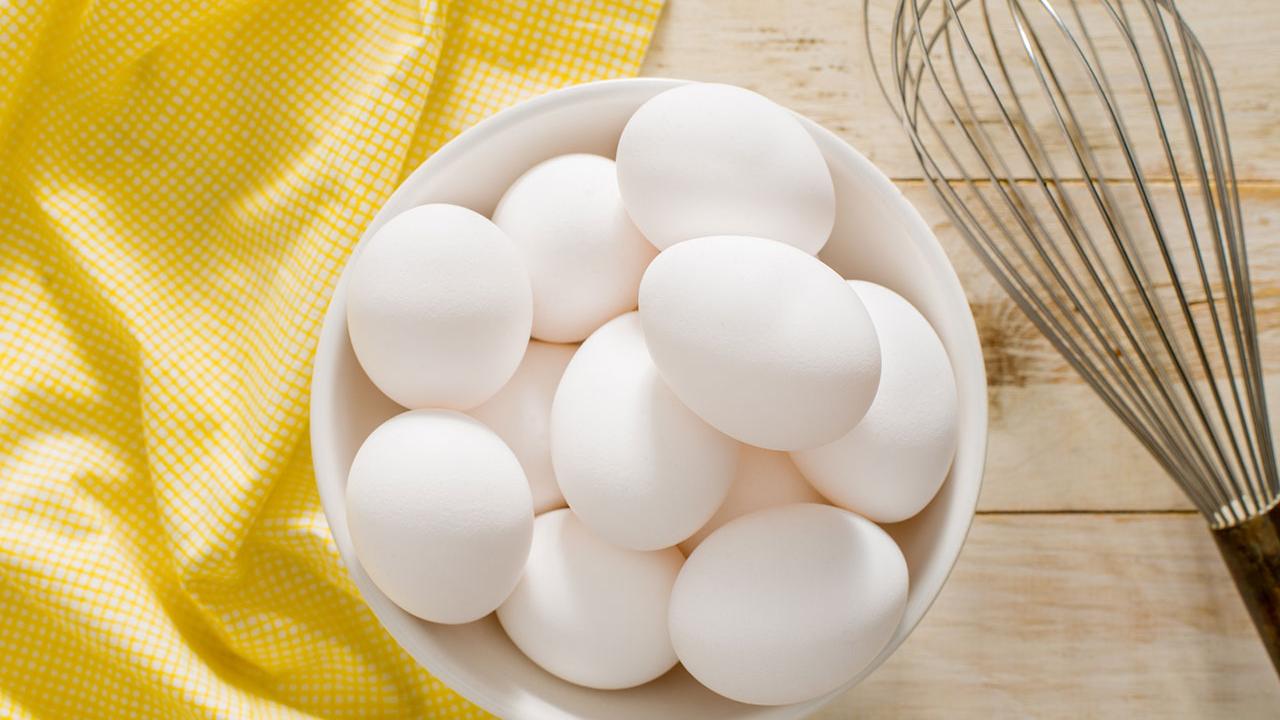
Smart dietary guidelines

• Eat five or more fresh fruits and vegetables every day .

• Eat six or more servings of grains (preferably whole grains) every day .

• Eat fat-free and low-fat dairy, legumes, seafood, and lean meats.

• Avoid foods with quite 2 grams of saturated fat per serving.

• Balance your caloric intake together with your energy expenditure.

• Limit food , which is high in simple carbohydrates and low in nutrition.

• Limit foods high in saturated fat and cholesterol. Eat but 6 grams of salt every day.

General food preparation and meal planning tips: attempt to eat servings of fruits and vegetables at every meal. Besides being delicious, they’re filled with nutrients and fiber. they’ll even help prevent certain cancers.

• Boil, steam, bake, roast, or broil foods instead of frying in fat.

• Use unsaturated fats, like vegetable oils, instead of saturated fats like butter, shortening, and lard.

• Use vegetable oil spray instead of cooking oils to organize foods.

• Eat red meat chicken or turkey, lean meat, fish, or seafood. Trim the skin from poultry.

• Use low-fat or nonfat dairy products.

• To season foods, choose lemon or juice , vinegar, low-sodium soy , plain spaghetti sauce , salsa and other sauces low in fat, or mustard. Use garlic, onions, ginger, and herbs and spices to flavor foods.

• Avoid high-fat and high-calorie condiments like mayonnaise, oil, ketchup, salad dressing, or prepared sauces.

• Drink seltzer, water, caffeine-free soda, tea, or coffee with meals.

Breakfast suggestions

• 1 cup of juice or fruit

• Egg whites or an egg substitute scrambled or prepared as an omelet in vegetable oil spray

• Oatmeal or any sugar-free cereal with 6-8 ounces of skimmed milk

• Low-fat cheese , low-fat pot cheese , or nonfat yogurt

• Caffeine-free tea or coffee

Lunch suggestions

• ½ cup of cooked vegetables, like peas, string beans, asparagus, broccoli, summer squash, escarole, cauliflower, brussels sprouts, or carrots

• ½ cup of a greens , like spinach, kale, or chard

• Green salad, plain or seasoned with fat-free dressing, vinegar, lemon, or any combination of those (no oil) — include greens and raw vegetables like tomato, bell peppers, cucumber, sprouts, radish, onion, cabbage, mushrooms, and celery

• ½ cup whole-grain pasta in meat-free spaghetti sauce

• Sandwiches made from whole-grain or sour bread

2 ounces of water-packed tuna or salmon

Two slices of a low-fat cold cut or deli meat

1-2 ounces of low-fat cheese

Supper suggestions

• ½ cup of cooked vegetables, like peas, string beans, asparagus, broccoli, summer squash, cauliflower, brussels sprouts, or carrots

• ½ cup of a greens , like spinach, kale, or chard

• Green salad, plain or seasoned with fat-free dressing, vinegar, lemon, or any combination of those (no oil) — include greens and raw vegetables like tomato, bell peppers, cucumber, sprouts, radish, onion, cabbage, mushrooms, and celery

• ½ pigeon breast , baked, or four slices of turkey, skin removed

• White fish, like snapper or fillet of sole, baked or steamed in plain spaghetti sauce , lemon or both

• Two slices of whole-grain or sour bread or ½ cup of an entire grain like rice

• 1/3 cup (or less) of fat-free yogurt or fat-free soured cream

For dessert

• One small slice of cake or one cookie, low-fat or fat-free and cholesterol-free

• ½ cup of fat-free frozen dessert or fat-free yogurt

• Fresh fruit

If you select to drink alcohol, do so carefully (no quite two drinks per day for men or one drink per day for women).

To satisfy hunger between meals, eat unlimited quantities of celery, lettuce, mushrooms, green or red peppers, asparagus, cauliflower, cucumber, and broccoli.

Eating away from home

When eating during a restaurant, plan ahead. believe ordering low-fat, low-calorie foods. Remember that the majority restaurants serve portions much larger than an accepted serving size.

• Ask for a doggie bag or take-out container once you order. As soon because the food comes, put aside half (or more) for future meals. Then eat what’s left on your plate. this may help keep you from overeating.

• Skip the breadbasket and therefore the appetizer.

• Ask for foods to be prepared without frying or sauces.

• Avoid high-fat side orders like french-fried potatoes , coleslaw, and bread .

• Order salad dressings on the side and dip your fork within the dressing, then spear the salad.

• Drink many plain water.

Increasing Your Activity Level

Moderate physical activity, like walking, helps you reduce and keep your burden . a minimum of half-hour of exercise each day is suggested .

• Try to exercise a minimum of five days every week .

• Not exercising will sabotage any weight loss plan. Add movement, even briefly 10-minute bursts throughout your day to urge in half-hour each day .

• Simple measures like parking at the far end of the parking zone and taking the steps rather than the elevator eventually add up to assist you reduce .

• Exercise strengthens your muscles and improves the function of your heart and lungs.

• If you’re obese, particularly if you’re inactive or have medical problems, ask a health care professional before starting an exercise program.

Walking

When walking for weight loss, distance is vital , not speed. Wear a pedometer to live your steps then find ways to feature steps during your daily activity.

• To exercise, walk at a pace and distance that puts no strain on the body. Set reasonable goals. If you walk until you become bored , you’ll be exhausted once you stop.

• Walk with smooth, rhythmic motions at a simple pace.

• Each time you walk, walk slowly for the primary five minutes to warm up. After five minutes, walk for 10 minutes at a faster rate if you’ll . don’t overdo it. you’ll stop to rest at any time.

• When you’ve got walked for 10 minutes no end , your first goal has been reached. The new goal should be to steer for a touch longer time (say, 12 minutes). still set new goals without overdoing it. it’s important to not walk too fast or too long.

• Chart your progress.

Other activities

• Ride your bicycle to figure or to the shop .

• Buy an exercise and pedal while watching TV or talking on the phone. Keep track of your mileage.

• Join an exercise class appropriate for your level of activity and your medical condition. Water aerobics may be a popular choice. Start slow.

• Even weekend chores use calories if you are doing them the physical way.

• Skip the riding mower and use a push mower.

• Wash your car manually.

• Use a rake, hoe, and shovel for gardening chores.

Exercise tips

• To let your skin breathe during workouts, wear loose clothing. Wear comfortable jogging shoes or sneakers.

• Drink many water before and after exercising. this may replace water lost by perspiration and stop dehydration. If you would like to hold a bottle , you’ll drink while exercising.

• Check your pulse frequently (every five minutes) while exercising.

• Normal resting pulse may vary between 60 and 90 beats per minute.

• Your pulse should increase somewhat while exercising. the heart beat rate may increase up to 120. it’s normal to become somewhat in need of breath. If you’re so in need of breath that you simply cannot speak comfortably, stop for a rest then continue at a slower rate.

• While exercising, make it some extent to not hold your breath. Holding your breath deprives the body of oxygen. Inhale with one movement, and exhale with another.

• Do not continue exercising if you are feeling pain. Stop and take an opportunity . If you still feel pain, ask a health care professional.

• Keep a record of your activity. you’ll see progress over time.

Changing Your Habits and Staying Motivated to Fight Obesity

Changing your habits

• Eat slowly and chew your food well. This helps you are feeling satisfied with less food.

• The amount of food you eat is more important that the sort of food. Think portion control. Familiarize yourself with official serving sizes, and measure and weigh foods accordingly.

• Keep a record of once you eat, what you eat, and the way much. this may assist you spot situations during which you tend to overeat.

• Avoid or limit comfort foods which are easily eaten foods (such as macaroni and cheese, ice cream, chocolate) that are wont to modify your mood.

• Don’t concede to food cravings. These are typically foods with a high sugar content that cause your brain to release hormones that temporarily cause you to feel happy. These foods have addictive properties, so once you begin eating them, it’s difficult to prevent .

• Do not skip meals, especially breakfast. you’ll just be hungrier and more likely to overeat at subsequent meal.

• Do not read or watch television while you eat.

• Reduce your appetite by drinking one glass of water half-hour before each meal. If your stomach isn’t empty, food doesn’t look as appetizing.

• Drinking tea (especially tea , white tea, and pu-erh tea) has also been suggested as a weight loss aid. Tea may contain caffeine, which acts as a stimulant. Tea also has no calories (assuming you do not add sugar or milk). very similar to beverage , drinking tea can cause you to feel full, thereby suppressing your appetite and reducing food cravings.

• Stock your refrigerator with healthy, low-calorie foods. Snack on baby carrots rather than microwave popcorn. Don’t keep high-fat snacks round the house.

• Put a symbol on the refrigerator which will assist you consider about snacking.

• Reward yourself for specific achievements, like exercising longer than you had planned or eating less of a tempting food. Of course, the reward shouldn’t be food.

Staying motivated

• People often set unrealistic goals for themselves, only to feel guilt once they cannot stay a diet or exercise program. Make changes in small steps. search for small gains (that is, weight losses). Losing 1 pound every week may be a reasonable goal.

• Losing even 10% of your excess weight can significantly lower your risk of obesity-related health problems. this is often an honest goal to start out with.

• Do not weigh yourself too often. Weigh yourself just one occasion every week within the morning. a rise in weight of 1 pound or 2 might not be a real weight gain. it’s going to be the results of water retention.

• Group support programs like Weight Watchers or TOPS (Take Off Pounds Sensibly) offer you the support and encouragement of others with an equivalent problem. They also promote healthy living practices.

• For those that do not have the time to form it to support groups, there are now many free or low cost apps available for the iPhone, iPad, or Android which help determine and track calories, nutrition, and calorie expenditure. Try LoseIt!, Weight Watchers Mobile, Restaurant Nutrition, 40:30:30, Diet Point, or Noom Weight Loss Coach.

• It is perfectly normal to travel off your plan once in a while . do not be too hard on yourself, and do not quit! revisit on target subsequent day.

Read More: Weight Loss Program

7 Health Benefits of Fennel Seeds and the way it Aids in Weight Loss

India being one among the most important exporters of fennel seeds/saunf (as it’s popularly known), uses it voraciously thanks to all the advantages it provides. People from diverse cultures prefer consuming fennel seeds due to its various medicinal properties. As an example, Indian families often consume fennel seeds after having their meal for healthier and faster digestion.

Fennel seeds are often interlinked to ‘longevity’ and are known for offering a good range of nutritional properties that aid in improving the well being of a person’s body. Moreover, fennel seeds offer a concentrated source of various minerals that are vital for the regulation of vital signs also as for the retention of water inside our body.


What are Fennel Seeds?

Fennel seeds have a crunchy texture on the surface with a mildly sweet flavor. it’s also widely used as a mouth freshener. Fennel seeds closely resemble anise seeds in terms of appearance and are extracted from fennel plants. They contain multiple nutrients like vitamin K, Vitamin E, manganese, copper, zinc, and phosphorus, and maybe a good source of vitamin C. One serving of fennel seeds contains 1% of the RDI (Recommended Dietary Intake) for vitamin C, which acts as a dynamic antioxidant for your body, protecting your skin from any damages caused by the sun, smoke, or pollution.


Benefits of fennel seeds

Fennel seeds contain powerful antioxidants and phytonutrients that create them a highly nutritious source with many health benefits, which are as follows:


1. Regulates vital sign


The Journal of Food Science published a study that showed that chewing fennel seeds helps in increasing the extent of nitrite in saliva. Nitrite may be a natural element that keeps a check on the vital sign levels. additionally, to the present, fennel seeds also are rich in potassium which helps in controlling the vital sign and pulse.


2. Great for skin problems

Regular consumption of fennel seeds provide minerals like selenium, calcium, and zinc. These minerals are crucial for balancing hormones while maintaining the oxygen balance in your bloodstream. These minerals impart a cooling and soothing effect on the skin, providing it with a healthy glow. Fennel seeds also offer various ayurvedic properties that help in treating other skin ailments like rashes and dryness. Applying a paste of fennel seeds is very beneficial for the skin because the aforementioned minerals are absorbed by the skin, and keeps it moist, clean, and healthy.


3. Purifies Blood

The vital fiber and essential oils in fennel seeds are considered highly useful for flushing out sludge and toxins from our bodies, thereby, helping in cleansing the blood which further helps in optimum absorption of nutrients within the body. The polyphenol antioxidants in fennel seeds even have anti-inflammatory properties that help in fighting various bacteria and viruses, keeping you safe from various diseases.


4. Helps in improving eyesight

Adding a few tablespoons of fennel seeds to your diet regularly can help in enhancing your vision. They contain a high amount of vitamin A, an important component of excellent vision. In the past , extracts from fennel seeds were used for treating people that were affected with glaucoma.


5. Reduces water retention and suppress appetite

Drinking fennel tea regularly helps in flushing out excess fluids from your body. Fennel tea works sort of a diuretic. Moreover, it also helps in reducing the probabilities of tract diseases and removing toxins from the kidney. It also includes diaphoretic properties that help in stimulating perspiration.
One more advantage of drinking fennel tea is that it helps in suppressing appetite. Consuming one cup of fennel tea releases essential oils that help in suppressing hunger. Fennel tea is usually recommended by many dietitians before meals to suppress the calorie intake for weight loss.


Read More: Weight Loss Diet Plan
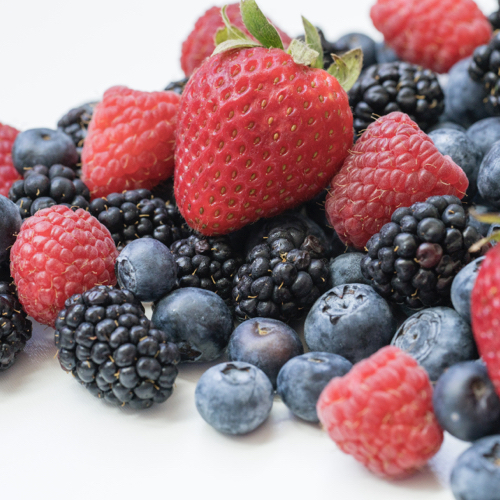

6. Vital for Bloating, IBS, Indigestion, and Constipation

Fennel seeds can act as an important source for curing constipation, bloating, and indigestion as they contain essential oils like anethole, fenchone, and estragole that contributes to the anti-inflammatory and antispasmodic properties. These elements help significantly in breaking down the food within the body and keep your gastrointestinal system functioning smoothly. people that suffer from IBS would highly enjoy the flavored extracts. The oils help in kick-starting digestion by promoting the working also because of the production of gastric juices and enzymes, keeping your alimentary canal healthy.


7. Reduces the risk of cancer

The seeds contain powerful, radical scavenging properties. thanks to the presence of antioxidants, fennel seeds help in neutralizing free radicals that are liable for developing cancer. Hence, it helps in beating the oxidative stress alongside protecting the body from different cancers of the breasts, stomach, and skin. It offers a chemo modulatory effect on the patient.


Fennel seeds and weight loss

Fennel seeds are often considered as an important food item to incorporate in diets for losing weight. Consuming it regularly alongside a lively and healthy lifestyle helps in losing extra pounds. Weight loss is simply one of the varied advantages of adding fennel seeds to your everyday diet. These tiny seeds have plenty of powerful nutrients that keep a person’s body healthy. Here are some ways by which fennel helps in reducing the few extra pounds in your body.


Fennel seeds are very rich in dietary fibers, which hamper the digestion process. this suggests that after consuming one serving of fennel seeds, you won’t get hungry anytime soon, which may avoid overeating. Additionally, with the presence of antioxidants, fennel seeds help in improving the body’s absorption power for vitamins and minerals. Another advantage of the antioxidants is that they assist in breaking down the fats and carbs within the body, helping you avoid gaining extra pounds.


Read More: Weight Loss Diet Plan
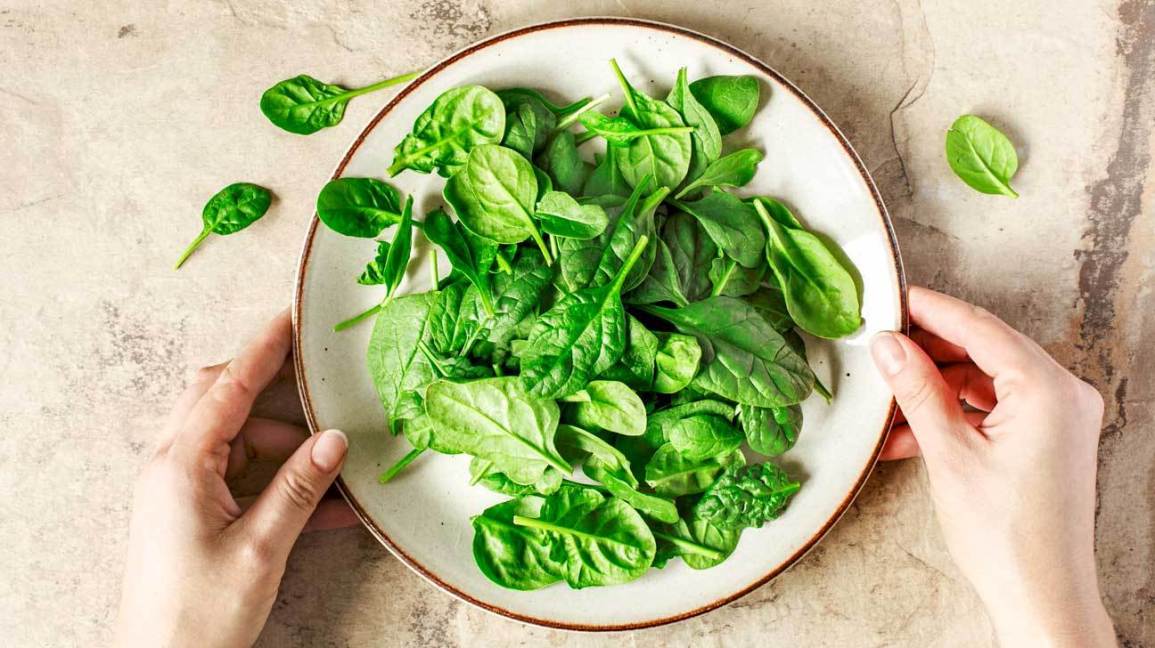
Fennel seeds even have diuretic properties that can assist you in flushing out the toxins and other harmful liquids from your body. a way more preferred alternative to fennel seeds tea may be a fennel seeds drink called the Variyali Sherbet. This tangy drink may be a common drink India and is typically consumed within the summers to stay the body hydrated and funky. Not only does Variyali Sherbet help in weight loss, but it also helps in detoxifying the body, getting obviate acidity and reducing stress. this will be attributed to an endless list of antioxidants present in fennel seeds like zeaxanthin, lutein, beta-carotene, chlorine, manganese, zinc, selenium, phosphorus, and more that are known for shielding the body against oxidative stress and improving the rate of a person’s body.


Here’s the recipe to form one glass of Variable Sherbet:

Ingredients required:

 1 cup of fennel seeds

 2 cups of water (500ml)

 1.5 cups of rock sugar

 5 soaked cardamom

 Black salt

 Ice cubes


Instructions:

 Grind fennel seeds and cardamom into fine powder during a kitchen appliance or mixer grinder.

 now soak the fennel and cardamom powder for nearly 8 hours in 2 cups of water.

 Next, the rock sugar must be grinded into a fine powder.

 Strain the soaked fennel and cardamom powder liquid into a container

 Add a pinch of black salt within the container

 Add the granulated sugar and stir for 30 seconds

 Serve during a glass with ice cubes


Summary

In India, fennel seeds are quite popular among people because the seeds can miraculously treat an endless list of digestive ailments that include colic in infants, intestinal gas, heartburn, and more. You’ll even use the seeds as a mouth freshener after you’ve got a hearty meal. Hence, we will see that fennel seeds offer a good range of advantages that creates it very fashionable among people.
So, subsequent time you’re thinking of incorporating a food item into your diet with multiple health benefits, you ought to consider fennel seeds as they might slot in perfectly together with your future or short term health goals.


Read More: Weight Loss Program

Best Foods for Hair Growth

Many people want strong and healthy hair, especially as they get older.Interestingly, your hair grows around 0.5 inches (1.25 cm) per month and 6 inches (15 cm) per annum. How briskly it grows depends on factors like age, health, genetics, and diet.
Although you can’t change factors like age and genetics, diet is one thing you’ve got control over. In fact, consuming a diet lacking the proper nutrients can cause hair loss.

On the opposite hand, eating a diet with the proper nutrients can help promote hair growth, especially if you’re experiencing hair loss thanks to poor nutrition.


1. Eggs

Eggs are an excellent source of protein and biotin, two nutrients that will promote hair growth.
Eating adequate protein is vital for hair growth because hair follicles are made from mostly protein. a scarcity of protein within the diet has been shown to market hair loss.

Biotin is important for the assembly of a hair protein called keratin, which is why biotin supplements are often marketed for hair growth. Research has also shown that consuming more biotin can help improve hair growth in people with a biotin deficiency
However, biotin deficiencies are uncommon if you consume a diet . there’s little evidence to point out healthy people enjoy consuming more biotinEggs also are an excellent source of zinc, selenium and other hair-healthy nutrients. This makes them one among the simplest foods to consume for optimal hair health


2. Berries

Berries are loaded with beneficial compounds and vitamins which will promote hair growth.
This includes vitamin C, which has strong antioxidant properties.Antioxidants can help protect hair follicles against damage from harmful molecules called free radicals. These molecules exist naturally within the body and therefore the environment.

For example, 1 cup (144 grams) of strawberries provides a powerful 141% of your daily vitamin C needs.
Also, the body uses vitamin C to supply collagen, a protein that helps strengthen hair to stop it from becoming brittle and breaking.
What’s more, vitamin C helps the body absorb iron from the diet. Low iron levels may cause anemia, which has been linked to hair loss


3. Spinach

Spinach may be a healthy green vegetable that’s loaded with beneficial nutrients like folate, iron, and vitamins A and C, all of which can promote hair growth.
Vitamin A helps the skin glands produce sebum. This oily substance helps moisturize the scalp to stay hair healthy

A cup (30 grams) of spinach provides up to 54% of your daily vitamin A needs
Spinach is additionally an excellent plant-based source of iron, which is important for hair growth. Iron helps red blood cells carry oxygen throughout the body to fuel your metabolism and aid growth and repair


4. Fatty Fish

Fatty fish like salmon, herring, and mackerel have nutrients that will promote hair growth.
They are excellent sources of omega-3 fatty acids, which are linked to hair growth.

A study in 120 women found that taking a supplement containing omega-3 and omega-6 fatty acids also as antioxidants reduced hair loss and increased hair density
Another study found that taking an animal oil supplement significantly reduced hair loss and increased hair growth in women with thinning hairHowever, there are only a couple of studies on omega-3 fatty acids and hair growth. More studies are needed before health experts can make any recommendations.
Fatty fish is additionally an excellent source of protein, selenium, vitamin D3 and B vitamins, nutrients which will help promote strong and healthy hair


5. Sweet Potatoes

Sweet potatoes are an excellent source of beta-carotene. The body converts this compound into vitamin A , which is linked to good hair health.A medium sweet potato (about 114 grams) contains enough beta-carotene to supply quite fourfold your daily vitamin A needs.

Research has shown that vitamin A promotes the assembly of sebum, which helps keep hair healthy.What’s more, vitamin A could also speed up the speed of hair growth and encourage the expansion of thicker hair, all while preventing other hair follicles from regressing


6. Avocados

Avocados are delicious, nutritious and an excellent source of healthy fats.They are also a superb source of vitamin E, which can promote hair growth. One medium avocado (about 200 grams) provides 21% of your daily vitamin E needs.

Like vitamin C , vitamin E is an antioxidant that helps combat oxidative stress by neutralizing free radicals.In one study, people with hair loss experienced 34.5% more hair growth after taking a vitamin E supplement for eight months
Vitamin E also protects areas of the skin, just like the scalp, from oxidative stress and damage. Damaged skin on the scalp may result in poor hair quality and fewer hair follicles
What’s more, avocados are an excellent source of essential fatty acids. These fats can’t be produced by the body, but are essential building blocks of your cells. A deficiency in essential fatty acids has been linked to hair loss


7. Nuts

Nuts are tasty, convenient and contain a spread of nutrients that will promote hair growth.

For example, an oz (28 grams) of almonds provides a powerful 37% of your daily vitamin E needsWhat’s more, they also provide a good sort of B vitamins, zinc and essential fatty acids. A deficiency in any of those nutrients has been linked to hair loss
Nuts have also been linked to a good sort of other health benefits besides hair growth, including reduced inflammation and a lower risk of heart condition
This makes nuts a superb and straightforward addition to your diet.


8. Seeds

Seeds deliver a huge amount of nutrients with relatively few calories. Many of those nutrients can also promote hair growth. These include vitamin E , zinc and selenium.

An ounce (28 grams) of sunflower seeds provides nearly 50% of your daily vitamin E needs, with a good sort of hair-healthy B vitamins.What’s more, certain seeds like flaxseeds and chia seeds also provide omega-3 fatty acids.A 1-ounce (28-gram) serving of flaxseeds provides 6,388 mg of omega-3 fatty acids. That’s more omega-3 fatty acids than half a fillet (178 grams) of salmon
However, flaxseeds provide a kind of omega-3 carboxylic acid that’s not employed by the body as efficiently because the omega-3s found in fatty fish. Nonetheless, it’s an excellent addition to the diet.
In order to urge the widest sort of nutrients, it’s best to consume a mix of seeds.


9. Sweet Peppers

Sweet peppers are a superb source of vitamin C , which can aid hair growth.
In fact, one yellow pepper provides nearly 5.5 times the maximum amount of vitamin C as an orange

Vitamin C helps promote collagen production, which may help strengthen your hair strands. It’s also a robust antioxidant, which may protect hair strands against oxidative stress.


Oxidative stress occurs when free radicals overwhelm the body’s antioxidant defense system. it’s been linked to hair loss and therefore the graying of hair What’s more, sweet peppers also are a superb source of vitamin A.
This vitamin may help speed up hair growth while stimulating the assembly of sebum, which helps keep hair healthy.


10. Oysters

Oysters are one among the simplest food sources of zincZinc may be a mineral that helps support the hair growth and repair cycleA lack of zinc within the diet may promote telogen effluvium, a standard but reversible sort of hair loss caused by a scarcity of nutrients within the dietStudies have shown that taking a zinc supplement can reverse the consequences of hair loss caused by a deficiency disease However, taking an excessive amount of zinc could also promote hair loss.

That’s why getting zinc from foods like oysters could also be better than taking supplements, since foods provide zinc in small but healthy doses


11. Shrimp

Shrimp are popular shellfish rich in many nutrients that have the potential to market hair growth.

For example, shrimp are an excellent source of protein, B vitamins, zinc, iron and vitamin D . A 3.5-ounce (100-gram) serving of shrimp provides 38% of your daily vitamin D needs
Interestingly, studies have linked vitamin D3 deficiency to hair lossDespite being very low in fat, shrimp also provide alittle amount of omega-3 fatty acids. Diets rich in omega-3 fatty acids are linked to improved hair growth


12. Beans

Beans are an excellent plant-based source of protein, which is important to hair growth.

Like oysters, beans are an honest source of zinc, which aids the hair growth and repair cycle. A 3.5-ounce (100-gram) serving of black beans provides 7% of your daily zinc needs They also provide many other hair-healthy nutrients, including iron, biotin and folateOn top of of these benefits, beans are highly versatile and cheap , which makes them a simple addition to the diet.


13. Soybeans

Studies have shown that compounds in soybeans may promote hair growth. one among these compounds is spermidine, which is abundant in soybeansFor example, a study of 100 healthy people found that a spermidine-based nutritional supplement prolonged a phase of active hair growth called the anagen phase. The longer a follicle stays within the anagen phase, the longer it’ll grow

Test-tube studies have also shown that spermidine promotes human hair growth
However, the research on spermidine and hair growth is fairly new, so more studies are needed before health experts can make recommendations on spermidine intake.
14. Meat

Meat may be a staple in many people’s diet and is rich in nutrients which will aid hair growth.

The protein in meat aids growth and helps repair and strengthen hair follicles. A 3.5-ounce (100-gram) serving of cooked beefsteak provides the maximum amount as 29 grams of protein


Red meat, especially, is rich during a sort of iron that’s easy to soak up . This mineral helps the red blood cells deliver oxygen to all or any cells within the body, including hair folliclesDeficiencies in protein and iron are linked to hair loss


The Bottom Line

What you eat can have an enormous effect on the health of your hair.A lack of the proper nutrients including vitamins A, C, D and E, zinc, B vitamins, iron, biotin, protein and essential fatty acids may hamper hair growth or maybe cause hair loss.
Fortunately, correcting a deficiency in any of those nutrients may help treat hair loss and promote the speed of hair growth.If you think that you’re lacking any of those nutrients, try adding a number of the above foods to your diet.

Read More: Diet for Hair & Skin

Visit: Weight Loss Diet Plan

Hypothyroidism Diet Plan

Hypothyroidism occurs when levels of the 2 thyroid hormones, triiodothyronine (T3) and thyroxin (T4), are too low. Although changing your diet alone isn’t enough to revive normal hormone levels, avoiding some foods and eating more of others can improve your body’s absorption of those hormones.

Foods to avoid

Many common foods and supplements contain compounds that interfere with thyroid function. Generally, it’s best to avoid the following:


Soy

Studies suggest that phytoestrogens in soybeans and soy-rich foods may inhibit the the activity of an enzyme that creates thyroid hormones. One study found that ladies who consumed soy supplements were 3 times more likely to develop hypothyroidism.


Iodine-rich foods

Some sorts of hypothyroidism are caused by a scarcity of sufficient iodine. In such cases, using iodized salt or iodine-enriched foods are often beneficially Trusted Source. But eating an excessive amount of iodine can have the other effect and suppress thyroid activity. ask your doctor before taking supplements.
Read More: Weight Loss Diet Plan
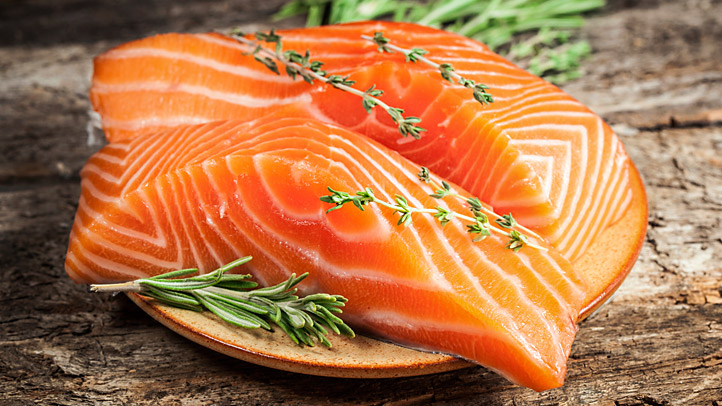
Iron and calcium supplements

Taking iron or calcium supplements also can change the effectiveness of the many thyroid medications.
High-fiber foodsAlthough a high-fiber diet is typically recommended, an excessive amount of fiber eaten right after taking thyroid medicines may interfere with their absorption. Wait two hours before you eat a high-fiber meal (one with quite about 15 grams of fiber).
Certain vegetables

Cruciferous vegetables that are rich in fiber, like broccoli, cabbage, spinach, kale, and Brussels sprouts may inhibit thyroid medication absorption. Reducing the amounts of such products within the morning right after taking your medication may help.
Caffeine, tobacco and alcohol also can influence the effectiveness of thyroid medicine. Ask your doctor for recommendations on the way to regulate or reduce your consumption.


Foods to eat

Nutrient-rich foods that improve your health can also benefit your thyroid. Certain compounds and supplements may help also. These include:


Antioxidant-rich fruits and vegetables

Blueberries, tomatoes, bell peppers, and other foods rich in antioxidants can improve overall health and benefit the thyroid. Eating foods high in B vitamins, like whole grains can also help.


Selenium

Tiny amounts of selenium are needed for the enzymes that make thyroid hormones to figure properly. Eating selenium-rich foods, like sunflower seeds or Brazil nuts are often beneficial.


Tyrosine

This aminoalkanoic acid is employed by the thyroid to supply T3 and T4. Good sources of tyrosine are meats, dairy, and legumes. Taking a supplement may help, but ask your doctor beforehand.


Diet plans and herbal supplements

Hypothyroidism doesn’t need to prevent or limit you from following a healthy lifestyle. People with hypothyroidism can prefer to be vegetarian, eat protein-rich foods, and avoid ingredients that will cause an allergy.


You may also plan to use alternative medicines for hypothyroidism. Some plant extracts, like ashwagandha (Withania somnifera), coleus (Coleus forskohlii), gotu kola (Centella asiatica), and guggul (Commiphora mukul), may ease symptoms of hypothyroidism. Evidence to support these claims is limited, however. Always speak together with your doctor before making any big changes to your eating habits or before taking any supplements. Having your doctor routinely check your thyroid levels also can provide insight into how your lifestyle changes are affecting your thyroid and your overall metabolism.


Read More: Hypothyroidism Program

Design a site like this with WordPress.com
Get started